Visual Dynamics Shaping Engagement in Cross-Device Number and Reel Entertainment Systems
Written by Eden Keller · Jul 26, 2026

Visual Dynamics Shaping Engagement in Cross-Device Number and Reel Entertainment Systems
Visual elements in number-draw and reel systems create measurable shifts in how users interact across smartphones, tablets, and desktops. Data from platform analytics reveal that animation timing, color gradients, and transition fluidity between draw results and reel sequences correlate with session duration and repeat visits. Operators track these metrics through heat maps and interaction logs that show where users pause or accelerate their engagement.
Core Visual Components Across Platforms
Number draws rely on animated balls or cards that highlight selected figures, while reel sequences depend on spinning symbols, particle effects, and win-line illuminations. When these two mechanics blend on a single screen, designers synchronize frame rates so the shift from a draw reveal to a reel cascade happens without visible lag. Research indicates that maintaining consistent frame delivery at 60 frames per second across devices reduces drop-off rates during feature transitions.
Color palettes play a documented role in guiding attention. High-contrast hues for bonus triggers stand out against neutral backgrounds used for base number selections. Observers note that platforms adjusting saturation levels based on ambient light sensors record higher completion rates for multi-stage sequences on mobile devices. Desktop users encounter wider aspect ratios that allow simultaneous display of draw history and active reels, which changes how visual hierarchy is constructed.
Device-Specific Rendering and User Flow
Mobile screens require tighter icon sizing and touch-target spacing so finger taps register accurately during rapid reel stops. Tablet interfaces expand the same elements into larger panels while preserving the same animation curves. Desktop versions introduce keyboard shortcuts that overlay visual cues, allowing players to trigger draws or spins without leaving the visual flow. Figures released by state gaming divisions show that cross-device synchronization tools, such as cloud-saved animation states, produce more consistent engagement patterns than device-isolated builds.
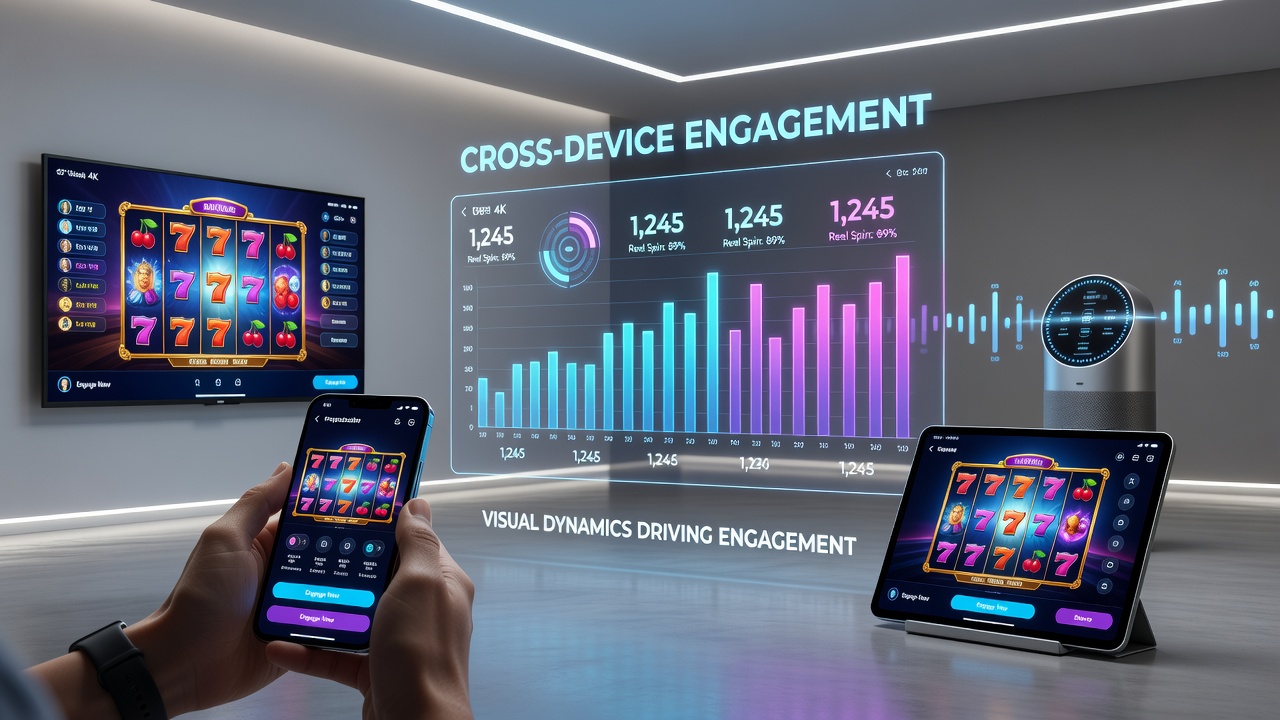
Load-time optimization becomes critical when users switch mid-session. Pre-cached visual assets allow the interface to resume at the exact animation frame where the previous device paused. Those who monitor telemetry data report that seamless handoff reduces abandonment during combined draw-and-reel events by measurable percentages. In July 2026 several licensed operators introduced updated rendering pipelines that further compress these assets without loss of detail, aligning with seasonal content refreshes.
Animation Timing and Engagement Metrics
Studies of user interaction logs demonstrate that reel spin durations between 2.5 and 3.5 seconds pair effectively with number-draw reveal intervals of 1.8 to 2.2 seconds. When these timings overlap through staggered layering, overall session length increases. Platforms that adjust these intervals according to device processing power maintain comparable engagement across hardware generations. Visual feedback loops, such as pulsing borders around newly matched numbers that then trigger reel bonuses, create chained interactions that keep attention focused.
Particle systems and light bloom effects accentuate prize accumulations without requiring additional screen real estate. Data compiled by regional regulatory bodies indicate that moderate use of these effects correlates with higher voluntary participation in successive rounds. Overly dense animations, however, show inverse results on lower-powered mobile devices where frame drops interrupt the intended visual rhythm.
Accessibility Considerations in Visual Design
High-contrast modes and reduced-motion options allow broader user groups to maintain engagement. Operators that integrate these toggles at the system level report wider adoption across age demographics. Screen-reader compatibility with animated number announcements ensures that visual dynamics remain supplementary rather than exclusive. Guidelines issued by North American gaming authorities emphasize testing these features on representative device pools before wide release.
Future Interface Developments
Emerging display technologies, including higher refresh-rate panels on portable devices, open pathways for smoother 120-frame sequences in both draw and reel phases. Early deployment data suggest these upgrades extend average interaction windows when paired with adaptive bitrate streaming. Industry reports from research institutions track how these visual upgrades influence cross-device continuity as adoption scales through 2026 and beyond.
Conclusion
Visual dynamics in number-draw and reel systems operate as measurable drivers of cross-device engagement when animation consistency, color application, and device-adaptive rendering align. Platform telemetry continues to map these relationships, guiding incremental refinements that operators implement across licensed environments. As display capabilities advance, the same principles of synchronized timing and visual hierarchy remain central to sustained user interaction patterns.