The Dynamics of Event-Based Tournaments in Mobile Platforms Combining Draw Games with Spinning Reels
Written by Mara Lange · Jun 5, 2026
The Dynamics of Event-Based Tournaments in Mobile Platforms Combining Draw Games with Spinning Reels
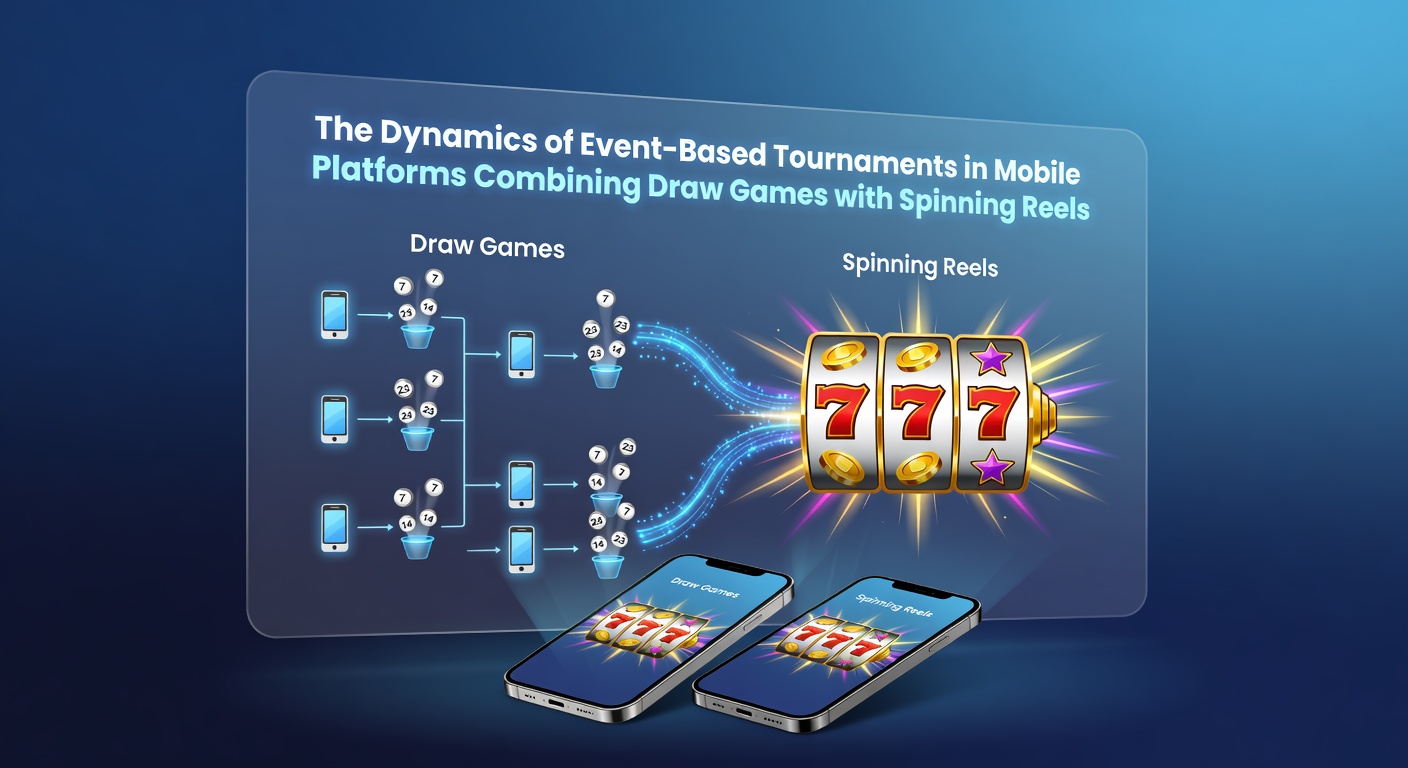
Event-based tournaments on mobile platforms integrate draw game elements such as number selections with spinning reel mechanics to create time-limited competitions where participants accumulate points or prizes through combined sequences. These formats operate within defined windows that range from several hours to multiple days and they track performance across both draw rounds and reel spins in unified leaderboards. Platforms deliver these experiences through dedicated apps that synchronize real-time updates for all entrants while maintaining separate tracking for each mechanic type.
Core Mechanics and Integration Patterns
Draw games in these tournaments require users to select or receive numbers that match against periodic draws while spinning reels contribute additional scores through symbol combinations and bonus triggers. The systems calculate overall standings by weighting contributions from both elements according to preset formulas that adjust based on tournament phase. During early stages draw matches often carry higher point multipliers whereas later phases emphasize reel sequences to balance participation rates across skill levels. Data from the Nevada Gaming Control Board indicates that hybrid event formats registered increased session durations compared to standalone draw or reel offerings in tracked markets during 2025.
Entry criteria typically involve a base fee or free qualification round that unlocks access to the full tournament bracket and participants receive starting credits allocated separately for draws and reels. Progress updates appear in real time through push notifications and in-app dashboards that display current rankings alongside remaining time. Developers incorporate adaptive algorithms that scale difficulty or prize pools according to the number of active users which helps sustain competitive tension throughout the event window. In June 2026 several major platforms expanded these adaptive features to include regional qualifiers that feed into global finals.
Participant Engagement and Retention Data
Studies conducted by university research teams have examined how combined mechanics influence repeat participation and findings show that users who engage with both draw and reel components within a single tournament demonstrate higher completion rates than those focused on one element alone. Mobile notifications that highlight upcoming draws or reel bonus opportunities correlate with elevated log-in frequency during active events. Platforms report that event calendars published in advance allow users to plan participation around personal schedules which reduces drop-off during multi-day competitions.
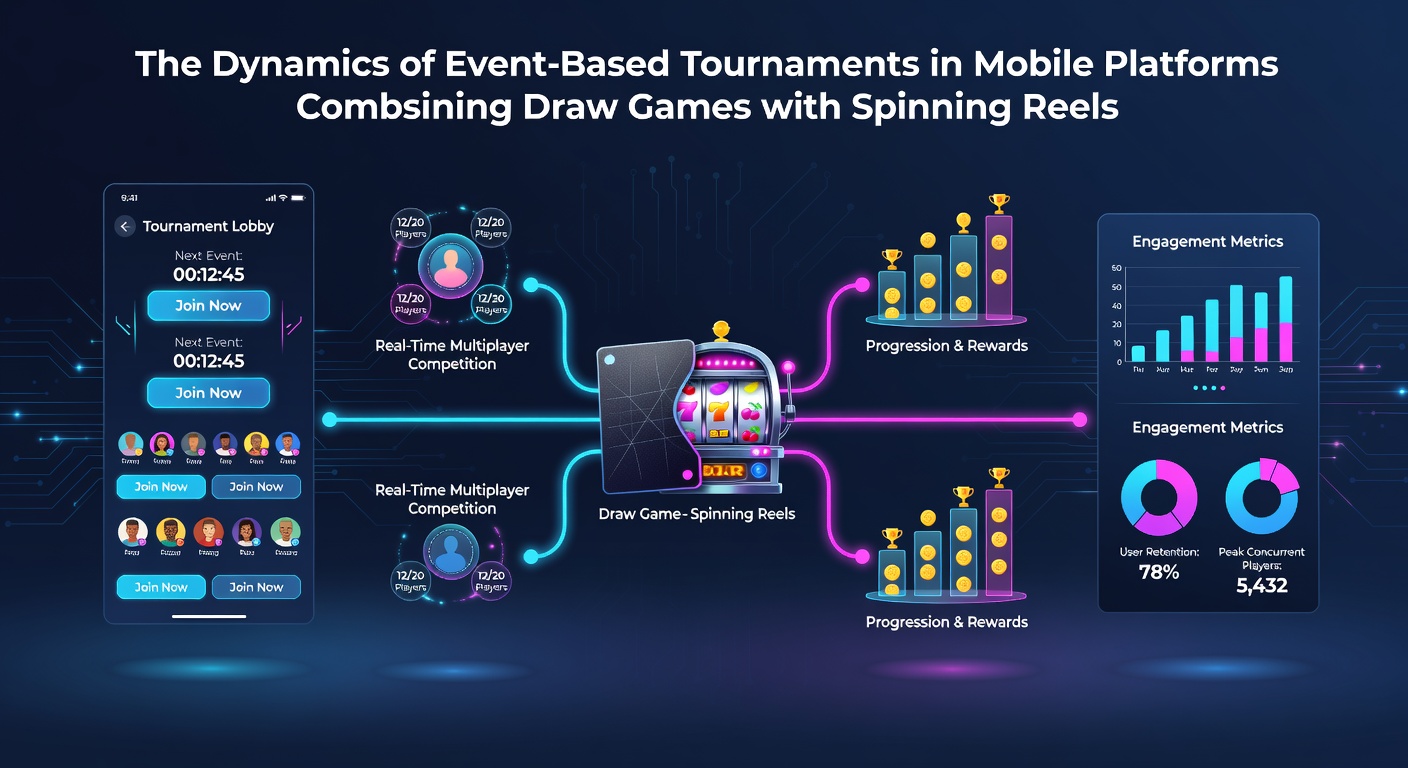
Analytics platforms that monitor cross-mechanic behavior note that players often alternate between draw selections and reel spins within short timeframes which suggests the hybrid structure encourages varied interaction patterns. Leaderboard visibility plays a central role because top positions receive visible recognition that extends beyond monetary rewards and this visibility factor appears in aggregated reports from multiple operators. Tournament resets occur at scheduled intervals allowing fresh entries and preventing long-term dominance by early high scorers.
Technological Infrastructure and Compliance Considerations
Backend systems rely on synchronized servers that process draw results and reel outcomes simultaneously while logging every action for audit trails required by regulatory frameworks. Random number generators for both draw and reel functions undergo independent testing to ensure fairness across all tournament stages. Mobile optimization includes offline caching for reel animations and draw result simulations that reconcile upon reconnection which maintains continuity during network interruptions. Compliance documentation submitted to oversight bodies such as the Nevada Gaming Control Board details how point calculations remain transparent and verifiable by participants through exportable session histories.
Security protocols encrypt user selections and outcomes to prevent external interference and two-factor authentication gates entry into high-stakes events. Cross-platform compatibility extends to both iOS and Android environments with identical feature sets and synchronization speeds. Developers conduct load testing ahead of major events to accommodate simultaneous access spikes that can reach several times the baseline user count.
Future Developments in Tournament Structures
Industry reports project continued refinement of weighting systems that balance draw and reel contributions based on observed participation data from prior events. Integration with wearable devices may allow secondary input methods for draw selections while reel spins remain screen-based. Expanded use of seasonal themes tied to calendar events such as sports seasons or holidays provides recurring engagement hooks without altering core mechanics. Research institutions continue to track how these formats interact with broader mobile gaming trends across different regulatory jurisdictions.
Conclusion
Event-based tournaments that merge draw games with spinning reels represent a structured approach to mobile competition where synchronized mechanics drive measurable participation patterns. Regulatory data and academic examinations confirm the operational frameworks that support these formats while technological safeguards maintain integrity across sessions. Continued evolution in weighting algorithms and notification systems reflects ongoing adaptation to user behavior tracked through platform analytics.