Shifting Focus: How Aggregated Player Sentiments Guide Bonus Allocation Patterns in Cross-Device Hybrid Gaming Apps
Written by Yara Perry · Aug 26, 2026
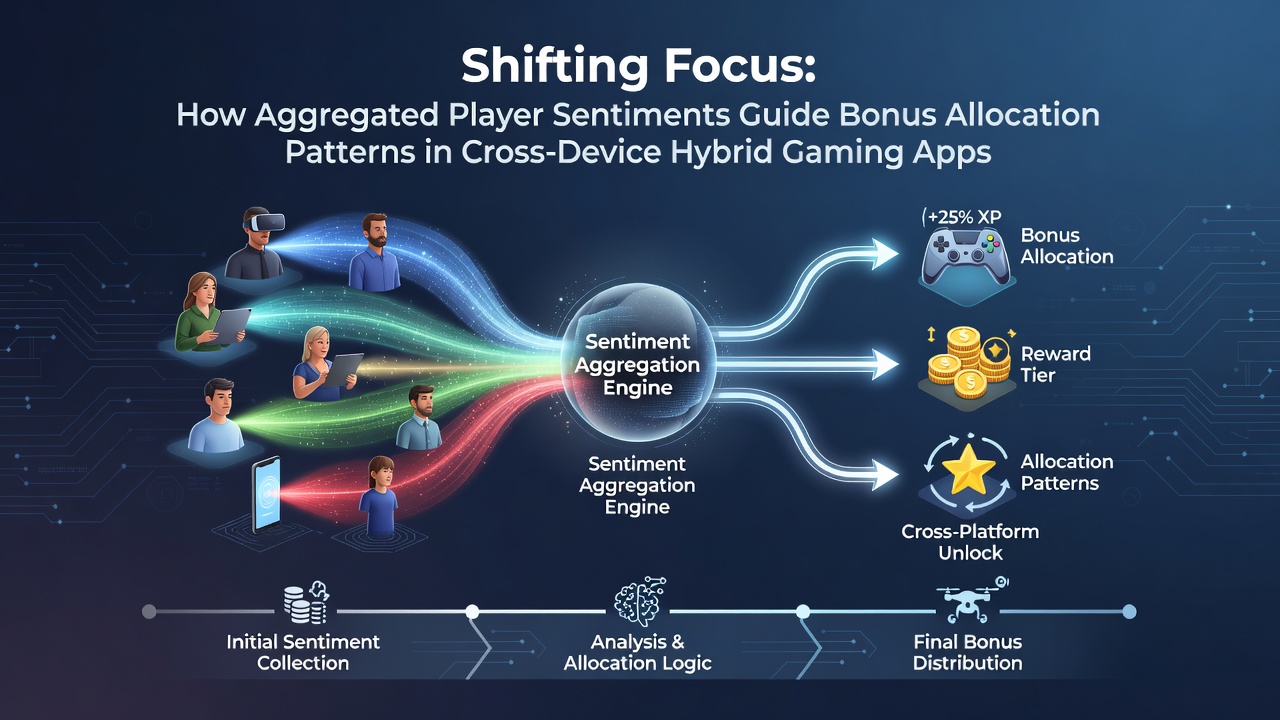
Shifting Focus: How Aggregated Player Sentiments Guide Bonus Allocation Patterns in Cross-Device Hybrid Gaming Apps
Developers of cross-device hybrid gaming apps that blend draw mechanics with reel sequences have begun tracking aggregated player sentiments more closely than ever before, and these collective signals now shape how bonus allocations get distributed across platforms. In August 2026 analysts noted that feedback volumes from app stores, in-game surveys, and community forums reached record levels, with operators responding by adjusting reward structures within weeks rather than months.
Data Aggregation Methods and Platform Integration
Operators collect sentiments through structured surveys embedded in apps, natural language processing of reviews, and anonymized session data that reveals frustration points during bonus rounds. These inputs flow into centralized dashboards that flag recurring themes such as requests for higher free-spin multipliers on tablets versus instant cashback on smartphones. Because hybrid titles operate across operating systems and screen sizes, sentiment clusters often split by device type, prompting teams to run separate allocation tests for each cohort before rolling out changes network-wide.
Patterns Emerging from Sentiment Clusters
Studies from the University of Nevada, Las Vegas Gaming Research Center indicate that when negative comments about bonus frequency spike above a certain threshold, operators increase the probability of triggering events on lower-stake sessions within 48 hours. Positive clusters around visual effects or sound design, meanwhile, correlate with expanded reward pools for those specific features on desktop versions. One operator in the Midwest adjusted its loyalty tier thresholds after aggregated comments highlighted a mismatch between play volume and perceived value, resulting in a 12 percent shift in bonus distribution toward mid-tier users during the second quarter of 2026.
Cross-device consistency remains a challenge because mobile sessions tend to generate shorter but more frequent feedback bursts, while desktop players post longer, more detailed critiques. Teams therefore weight mobile data toward immediate allocation tweaks and reserve desktop insights for longer-term structural changes. This dual-track approach prevents sentiment from one platform from dominating decisions that affect the entire ecosystem.
Regulatory Context and Industry Reporting
State regulators have started requiring operators to document how player feedback influences promotional mechanics, particularly in markets where hybrid games fall under expanded oversight. A report issued by the New Jersey Division of Gaming Enforcement in early 2026 highlighted that transparent use of sentiment data can improve compliance reporting and reduce disputes over bonus fairness. Industry groups such as the Interactive Gaming Council have published guidelines encouraging standardized metrics for tracking sentiment-to-allocation pathways, aiming to create benchmarks that multiple jurisdictions can reference.
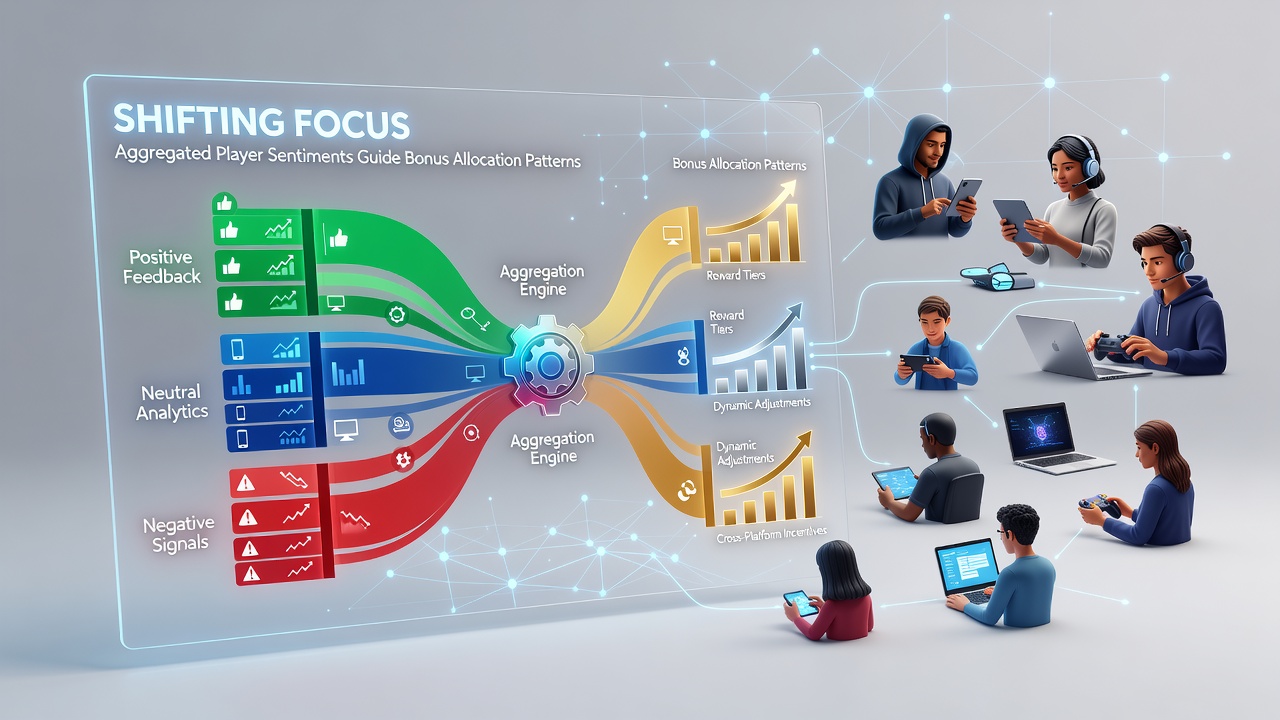
These reporting standards have prompted software providers to build sentiment dashboards directly into their content management systems, allowing real-time visibility for compliance officers. When a sentiment spike occurs around a particular bonus type, the system can automatically generate an audit trail that links the change in allocation percentages to the originating feedback volume.
Technical Implementation Across Ecosystems
Backend systems now parse millions of data points daily, grouping comments by keyword clusters and device metadata before feeding results into allocation algorithms. Machine learning models trained on historical patterns predict which bonus types will receive the strongest response once sentiment thresholds are crossed. For instance, when tablet users consistently request longer free-spin sequences, the model may recommend reallocating a portion of the prize pool from instant-win features to extended sequences, then test the adjustment on a small segment before full deployment.
Device-specific constraints also influence these decisions. Battery usage complaints on older smartphones have led several studios to reduce animation-heavy bonus sequences on those devices while maintaining richer visuals on newer hardware. Aggregated sentiment therefore serves as both a directional signal and a safeguard against over-engineering features that players ultimately find cumbersome.
Future Monitoring and Adjustment Cycles
Operators continue refining the cadence at which they review and act on aggregated sentiments, with many adopting weekly rather than monthly review cycles in 2026. This acceleration allows bonus allocations to track seasonal shifts in player preferences more closely, such as increased demand for event-based rewards during summer months. Cross-device hybrid apps benefit particularly because the same title can be updated on mobile and desktop simultaneously once sentiment consensus emerges.
Conclusion
Aggregated player sentiments have become a measurable input that directly informs bonus allocation patterns in cross-device hybrid gaming apps. Through systematic collection, device-aware weighting, and regulatory-aligned documentation, operators translate collective feedback into targeted adjustments that affect reward frequency, feature emphasis, and tier structures. As data integration improves, the link between what players report and how bonuses are distributed grows tighter, creating a feedback loop that operates across mobile, tablet, and desktop environments without favoring any single platform.