Regional Licensing Variations Shaping Feature Availability in Combined Chance Mechanics for Digital Entertainment Platforms
Written by Gisela Peters · Jul 10, 2026
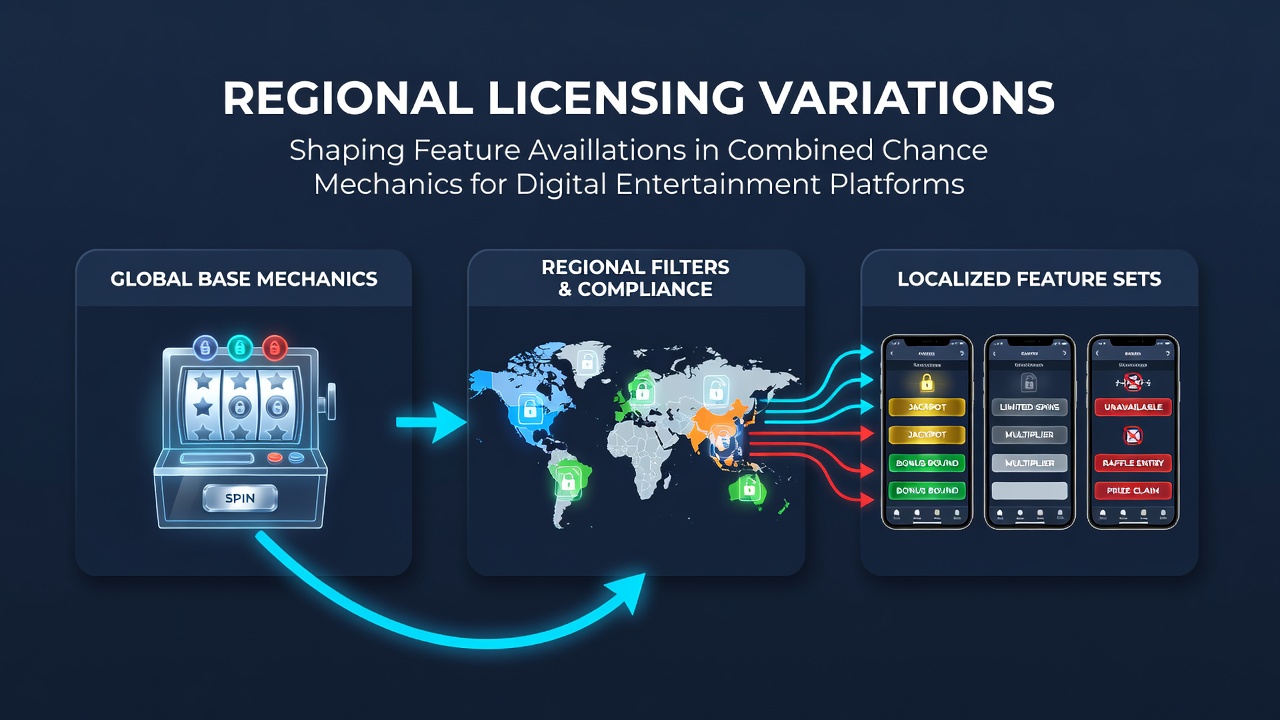
Regional Licensing Variations Shaping Feature Availability in Combined Chance Mechanics for Digital Entertainment Platforms
Regional licensing frameworks determine which combined chance mechanics become accessible on digital entertainment platforms, and operators must align game features with jurisdiction-specific rules that govern probability models, bonus structures, and integration methods between draw-based and reel-based elements. These variations create distinct availability patterns where one market permits hybrid triggers while another restricts them to separate game categories.
North American Regulatory Differences
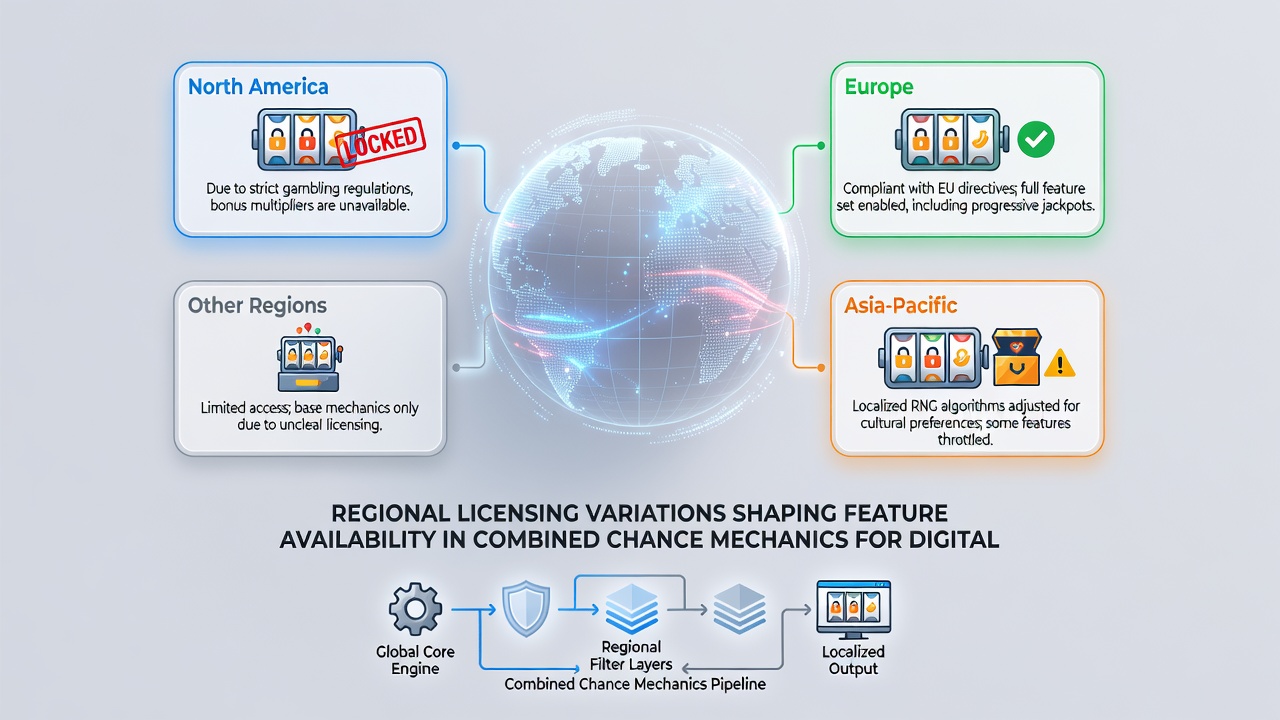
State-level licensing in the United States produces clear distinctions in how combined mechanics operate, and New Jersey regulations allow integrated bingo-slot features that accumulate prizes through sequential number draws followed by reel sequences while neighboring states maintain separation between draw games and spinning reels. Pennsylvania frameworks further illustrate this pattern as recent court rulings have classified certain skill elements within these hybrids as regulated slot components, which directly affects trigger rates for accumulated prizes. Data from the New Jersey Division of Gaming Enforcement shows that platforms licensed there reported higher volumes of cross-mechanic bonus activations compared with platforms operating under more segmented rulesets.
Canadian provincial systems add another layer where the Alcohol and Gaming Commission of Ontario evaluates combined chance products through a unified approval process that assesses both draw fairness and reel randomness in a single review, whereas other provinces require separate certifications that delay feature rollouts. This creates staggered availability timelines across the country where users in one province access hybrid free-spin mechanics months before users in adjacent regions.
European and Asia-Pacific Approaches
European jurisdictions apply differing licensing criteria to combined mechanics, and Malta's regulatory authority permits full integration of bingo elements with slot progressives while several other member states limit such combinations to prevent overlapping prize pools. Australian state regulators have introduced updated compliance requirements that went into effect during July 2026, requiring operators to demonstrate clear separation between chance components when hybrid titles are offered to local users. These rules influence which bonus features appear in cross-device applications and how accumulated prizes calculate across the blended mechanics.
Research from the University of Nevada Gaming Research Center indicates that platforms operating under multiple regional licenses adjust feature sets dynamically, disabling specific hybrid triggers in restrictive markets and enabling them where approvals allow. This adaptive approach maintains compliance while maximizing available mechanics within each licensed territory.
Impact on Feature Design and Availability
Combined chance mechanics rely on coordinated probability calculations between number draws and reel outcomes, yet licensing variations often dictate whether these calculations can interact in real time or must remain isolated. Operators therefore develop modular codebases that activate or suppress specific interactions based on detected user location and associated license conditions. Figures from industry reports reveal that platforms serving multiple regions maintain separate feature libraries for each market to satisfy these constraints.
Transaction methods also intersect with these rules in certain jurisdictions where deposit options influence which prize accumulation paths remain active, and platforms must verify that payment flows align with local definitions of acceptable chance mechanics. One documented case involved a European operator that adjusted progressive jackpot linkages after a licensing review determined that cross-mechanic contributions violated updated prize-pool regulations.
Platform Adaptation Strategies
Digital entertainment providers respond to these variations through geo-specific builds that reference license databases at launch, and this method ensures users encounter only approved combinations of draw and reel features. Industry associations such as the European Gaming and Betting Association have published guidance documents that help operators map regional requirements against technical implementations of hybrid mechanics. Those documents emphasize documentation standards for probability models when draw and reel elements combine within a single session.
July 2026 saw several platforms complete license renewals that incorporated new testing protocols for combined chance products, and these updates required additional verification steps for interactive bonus sequences that span both mechanics. The resulting changes altered feature availability timelines in affected markets while leaving unchanged regions unaffected.
Conclusion
Regional licensing variations continue to define which combined chance mechanics reach users on digital entertainment platforms, and operators maintain compliance by structuring game code around jurisdiction-specific approvals. These frameworks shape everything from prize accumulation methods to bonus trigger conditions while creating distinct user experiences across borders. Ongoing regulatory updates, including those implemented in July 2026, reinforce the need for precise alignment between technical features and license conditions in each operating territory.