Player Critiques as Catalysts for Refining Loyalty Incentives in Cross-Platform Draw-and-Reel Applications
Written by Gisela Peters · Jun 14, 2026
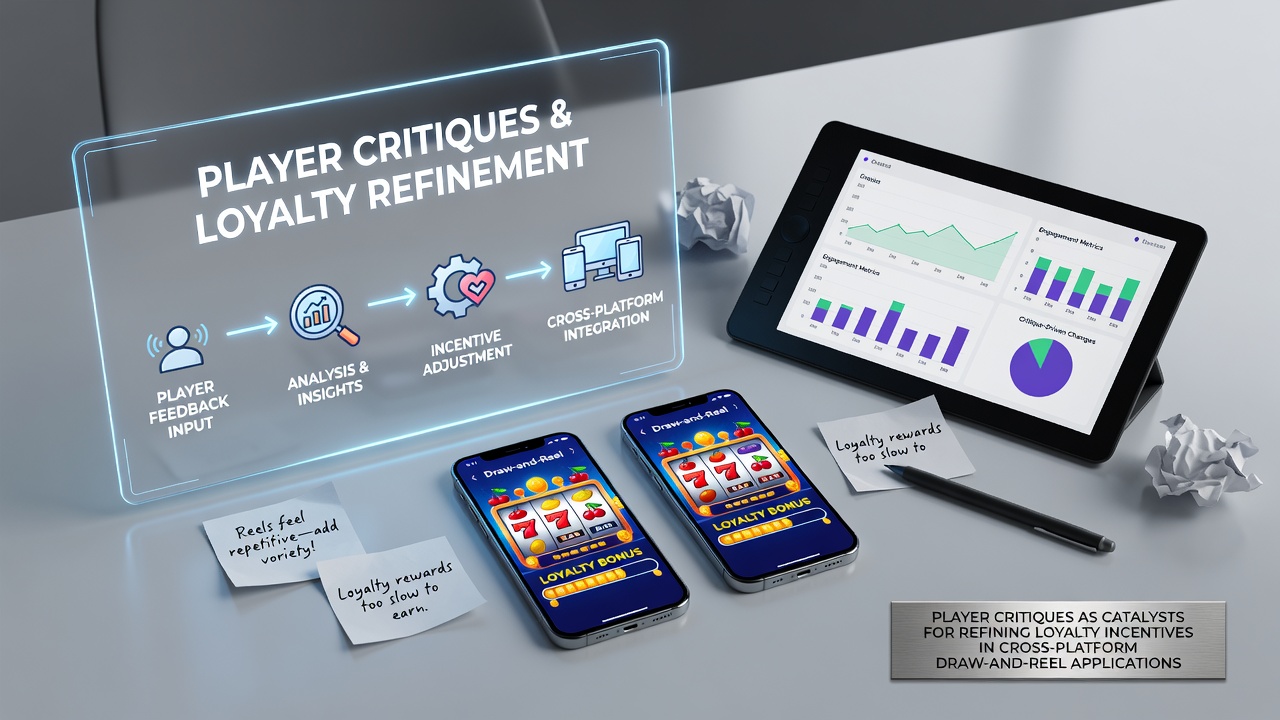
Player Critiques as Catalysts for Refining Loyalty Incentives in Cross-Platform Draw-and-Reel Applications
Player critiques have emerged as a driving force behind adjustments to loyalty incentives within cross-platform applications that blend number draws and reel sequences, and data from multiple markets illustrate how feedback loops shape reward structures over successive updates. Operators track comments across app stores, forums, and support channels to identify recurring themes around point accumulation rates, redemption thresholds, and tier progression speeds, then they implement targeted modifications that align more closely with documented user preferences.
Feedback Integration Mechanisms in Hybrid Gaming Ecosystems
Studies from research institutions reveal that systematic analysis of player input often precedes revisions to loyalty frameworks in these hybrid environments, where participants move between draw-based rounds and spinning reel features on both mobile and desktop interfaces. Analysts compile sentiment data from thousands of reviews, categorize complaints related to delayed reward notifications or uneven cross-device synchronization, and they prioritize fixes that address the most frequently cited pain points. This process has led developers to introduce flexible earning multipliers that adjust based on session length and game type, responding directly to observations that shorter mobile sessions were previously undervalued compared to extended desktop play.
Adjustments to Tiered Reward Structures
Evidence gathered through industry reports shows that loyalty programs in draw-and-reel applications undergo measurable changes following waves of player commentary, particularly around the balance between instant micro-rewards and longer-term accumulation goals. Developers have introduced segmented bonus pools that separate draw game contributions from reel activity, allowing participants to progress in either category without one overshadowing the other, and this separation emerged after repeated notes that unified point systems created perceived imbalances. In several documented platform iterations, redemption options expanded to include partial cashouts and game-specific credits, reflecting patterns identified in user surveys conducted across North American and European markets.
Cross-Platform Synchronization Challenges Addressed Through Input
Technical limitations in tracking progress across devices frequently surface in player critiques, prompting refinements such as real-time cloud saves and unified dashboards that display accumulated incentives regardless of access point. Observers note that applications incorporating these updates report higher consistency in reward claim rates, and figures from operational logs indicate reduced support tickets related to missing progress following implementation. Researchers at academic centers studying digital gaming behaviors have documented similar patterns, where iterative improvements based on direct commentary correlate with sustained engagement metrics over multi-month periods.

Regulatory bodies in various jurisdictions, including data summaries released by the Nevada Gaming Control Board, provide context on how transparency around incentive calculations influences participant trust, and operators in those regions have responded by publishing clearer breakdowns of how critiques translate into program changes. Meanwhile, Australian research groups have examined comparable systems, finding that explicit acknowledgment of user suggestions in update notes strengthens perceived fairness in reward distribution.
Examples of Incentive Refinements Driven by Commentary
One platform adjusted its VIP ladder after aggregated feedback highlighted slow movement through mid-tier levels, introducing accelerated pathways tied to consistent participation in both draw and reel segments rather than volume alone. Another case involved expanding family account sharing options for earned perks, which addressed comments about limited accessibility on shared household devices. These modifications followed internal reviews of support transcripts and review aggregates, demonstrating how specific language from participants guides precise alterations without broad overhauls.
Quantitative Patterns in Retention Following Updates
Industry analyses covering periods through June 2026 indicate that applications releasing refined loyalty features after incorporating player input experience measurable shifts in session frequency and duration metrics. Figures reveal increased cross-device logins when synchronization issues receive direct attention, while retention curves stabilize when redemption friction decreases. Trade organizations tracking global digital gaming trends have compiled comparative datasets showing these outcomes across multiple operators, underscoring the role of iterative feedback cycles in maintaining active user bases.
Conclusion
Player critiques continue to serve as structured inputs that guide loyalty incentive evolution in cross-platform draw-and-reel applications, with documented cases demonstrating targeted refinements in reward mechanics, synchronization tools, and tier accessibility. Ongoing monitoring by operators and external researchers supports the observation that such adaptations maintain alignment between program design and participant expectations across evolving device ecosystems.