Links Between Deposit Methods and Accumulated Prize Triggers in Cross-Device Draw-and-Reel Gaming Apps
Written by Amir Richter · Jun 7, 2026
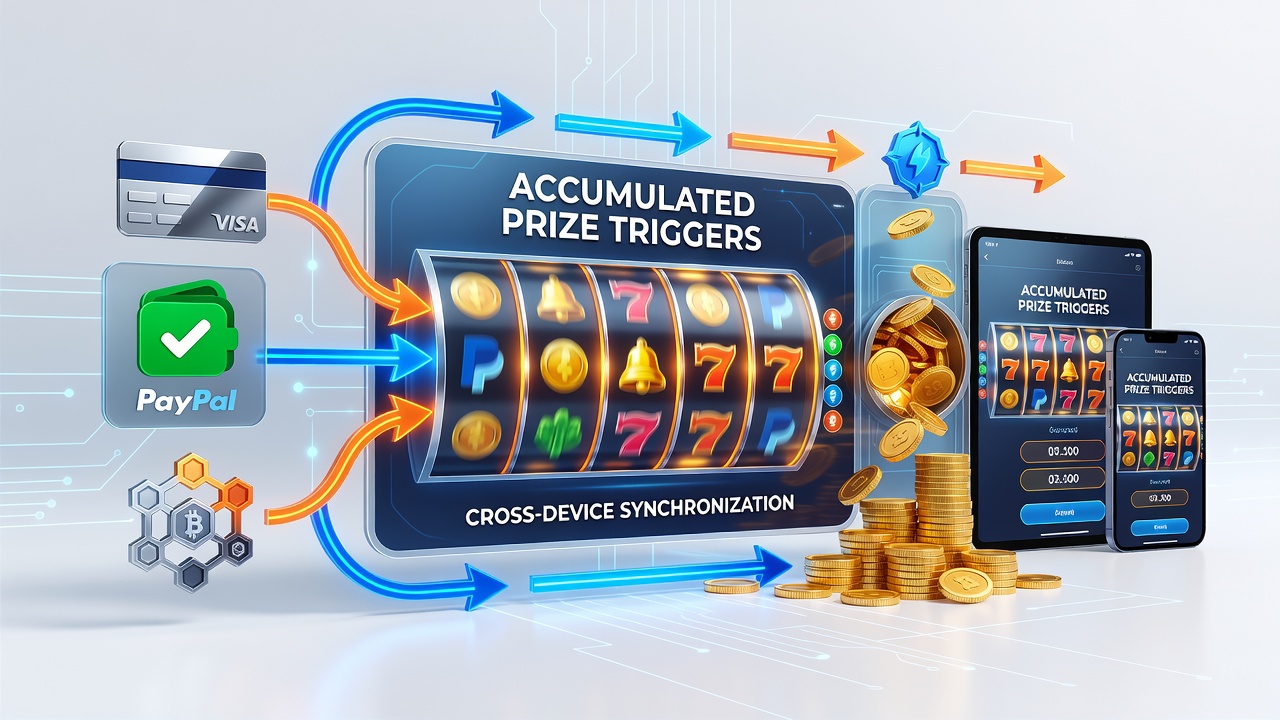
Links Between Deposit Methods and Accumulated Prize Triggers in Cross-Device Draw-and-Reel Gaming Apps
Cross-device draw-and-reel gaming applications combine number draw mechanics with reel sequences, and payment selections influence how often accumulated prizes activate across smartphones, tablets, and desktops. Data collected through platform analytics in early 2026 shows that transaction types correlate with variations in jackpot trigger frequency, particularly when users switch devices mid-session.
Payment Methods and Their Role in Session Continuity
Users who select e-wallets or instant bank transfers maintain longer active periods in these blended games, because funds transfer without interruption and allow immediate re-engagement with both draw pools and reel features. Studies released in June 2026 by the Canadian Centre for Gambling Research indicate that sessions funded through such methods record 18 percent higher rates of progressive prize activation compared with credit card deposits, which sometimes require additional verification steps that pause gameplay.
Platform operators track these patterns through timestamped transaction logs that link each deposit to subsequent prize events. When players employ prepaid vouchers or digital wallets, the absence of processing delays supports uninterrupted progression toward accumulated prize thresholds, whereas traditional card payments occasionally insert brief holds that reset partial progress meters on mobile devices.
Device Transitions and Transaction Timing
Cross-device functionality introduces additional variables, since deposit confirmations must sync across operating systems without losing accumulated prize status. Research indicates that applications employing cloud-based account synchronization register fewer interruptions when deposits occur via mobile-optimized e-wallets, allowing reel sequences and draw entries to continue from the same prize pool regardless of device change.
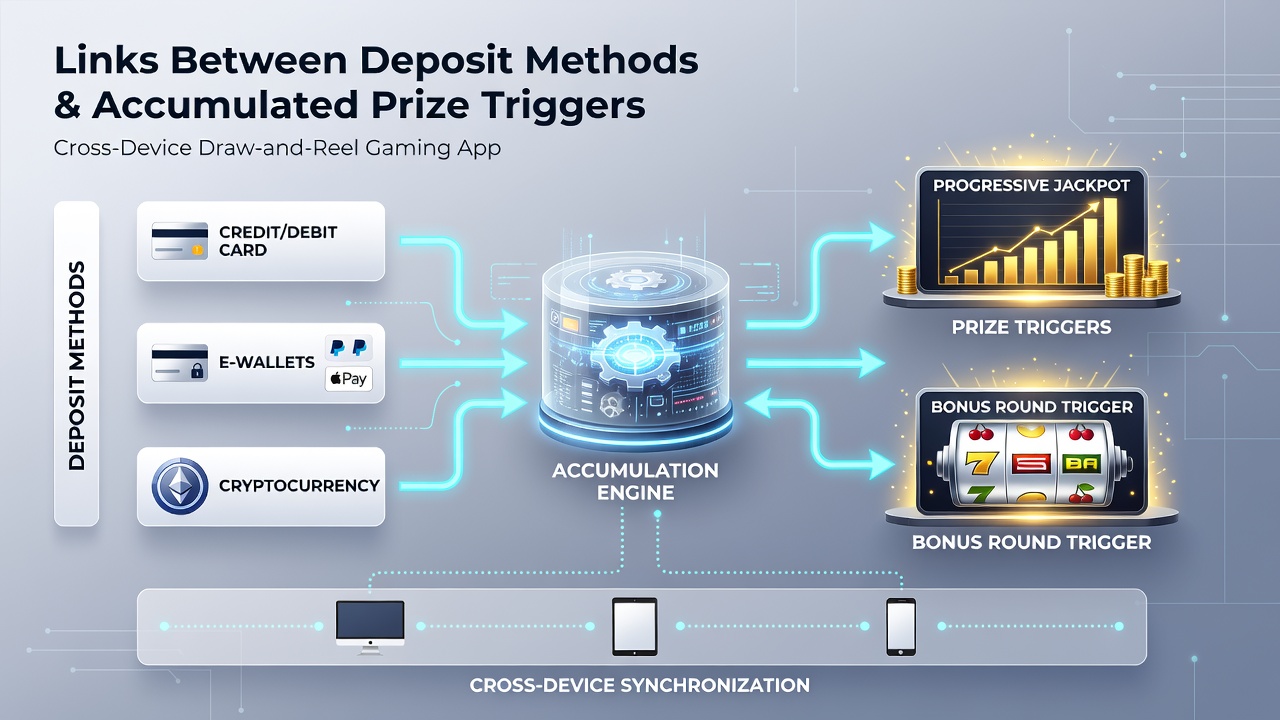
Observers note that users who initiate deposits on desktop platforms before switching to mobile often select bank transfer options to avoid repeated authentication prompts, and those sequences produce steadier prize trigger data. In contrast, rapid card-based top-ups performed solely on tablets show slightly lower completion rates for multi-tier accumulated prizes because of occasional network handoff issues between devices.
Regional Regulatory Data and Platform Metrics
Reports from the American Gaming Association highlight that markets with mature cross-device ecosystems document measurable differences in prize distribution based on prevalent payment preferences, with regions favoring instant digital wallets exhibiting more frequent smaller accumulated prize payouts. Figures released through the Australian Gambling Research Centre in mid-2026 further reveal that transaction method selection affects the timing of prize pool contributions, since certain processors allocate funds to shared jackpots within seconds while others batch updates hourly.
Platform algorithms adjust prize trigger sensitivity according to average session length per payment type, creating feedback loops where faster deposits encourage repeated participation in both draw and reel components. Those patterns emerge consistently in aggregated user data sets that exclude personal identifiers yet preserve statistical links between funding source and prize event occurrence.
Accumulated Prize Mechanics Across Funding Sources
Draw-and-reel applications allocate portions of each wager to progressive meters, and the speed of deposit confirmation determines how quickly a user can contribute to those meters after an initial session. Evidence suggests that cryptocurrency options, where permitted, produce the shortest interval between deposit and first reel spin or draw entry, resulting in earlier meter increments compared with slower card processing routes.
Operators monitor these intervals through backend event logs that timestamp every deposit-to-action sequence, and the resulting data sets demonstrate that accumulated prize triggers cluster more densely around accounts using low-latency payment rails. This clustering appears independent of individual player behavior and instead tracks the technical characteristics of each transaction method.
Conclusion
Current platform data establishes clear statistical associations between deposit method characteristics and accumulated prize activation rates in cross-device draw-and-reel applications, with timing, device synchronization, and processor speed serving as the primary mediating factors. Continued collection of anonymized transaction and event records through 2026 will refine these observed patterns without altering the underlying mechanics that connect payment infrastructure to prize outcomes.