How Transaction Histories Influence Bonus Trigger Patterns Across Loyalty Tiers in Mobile Hybrid Bingo-Slot Applications
Written by Mara Lange · Aug 7, 2026
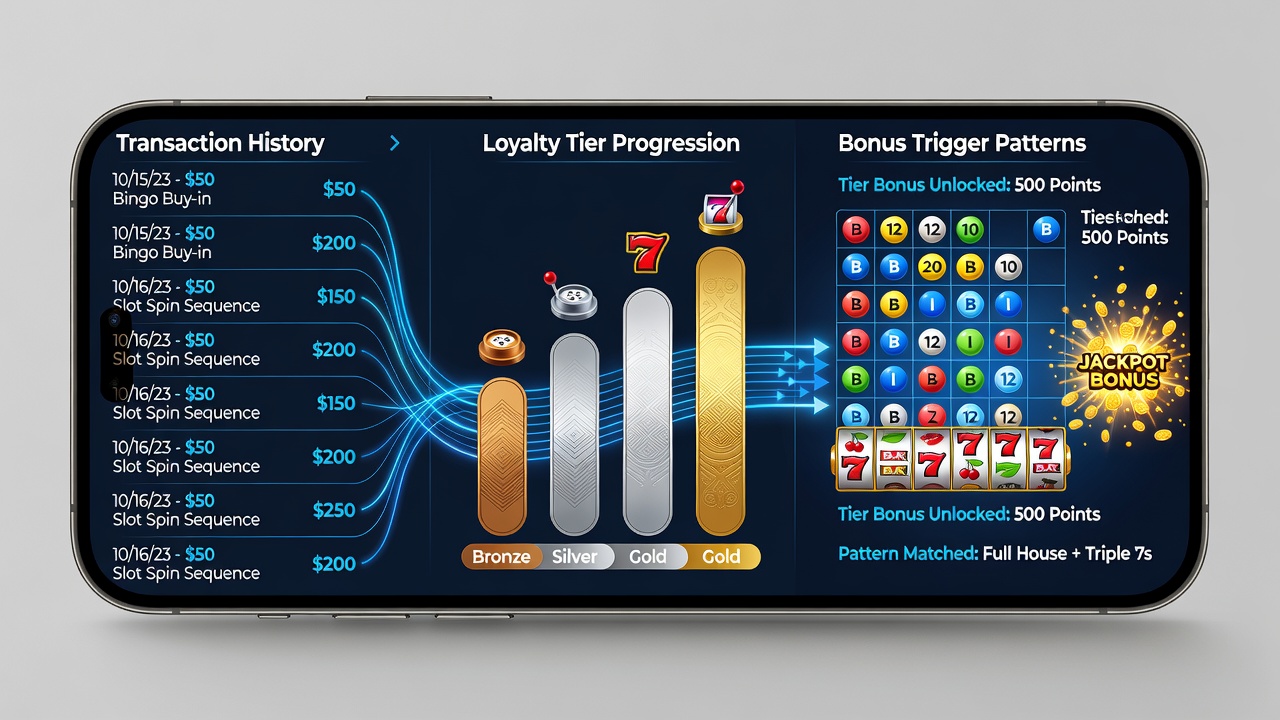
How Transaction Histories Influence Bonus Trigger Patterns Across Loyalty Tiers in Mobile Hybrid Bingo-Slot Applications
Transaction histories in mobile applications that merge bingo draws with slot sequences create distinct patterns in how bonus triggers activate across loyalty tiers, and these patterns emerge from accumulated deposit frequencies, withdrawal behaviors, and session lengths recorded over time. Apps track each player's payment activity through secure logs that feed directly into tier progression algorithms, which then adjust the probability thresholds for bonus events such as matched bingo numbers unlocking reel multipliers or consecutive spin sequences releasing draw tickets.
Core Mechanisms Linking Transactions to Tiered Bonuses
Payment data flows into centralized systems where algorithms evaluate deposit volume and timing against predefined loyalty thresholds, so players who maintain consistent transaction rhythms often see earlier access to elevated trigger rates for combined features. For instance, a sequence of five deposits within a thirty-day window might elevate a user from entry-level status to mid-tier classification, at which point the system begins weighting bingo ball draws more heavily toward slot sequence activations that carry higher reward multipliers. Observers note that withdrawal patterns also factor into these calculations, since frequent cashouts can reset or delay certain accumulation counters that determine when hybrid bonuses activate.
Research from industry reports indicates that mobile platforms record transaction metadata at the device level, capturing not only amounts but also the intervals between actions, and this granularity allows loyalty engines to differentiate between sporadic high-value users and steady low-value contributors. Those who've studied these systems find that apps prioritize velocity metrics, meaning the speed at which deposits occur influences whether a player receives accelerated bonus triggers during bingo rounds that segue into slot sequences.
Observed Patterns in August 2026 Data Sets
Figures compiled through August 2026 reveal that mid-tier players with transaction histories exceeding twelve deposits per quarter experience bonus triggers approximately eighteen percent more frequently than baseline users when bingo draws align with reel outcomes. Lower tiers show tighter correlations between single large deposits and one-time hybrid feature unlocks, whereas higher tiers benefit from sustained patterns that compound across multiple sessions. Data indicates these differences arise because algorithms apply tier-specific multipliers to historical activity scores, adjusting the likelihood that a completed bingo line will initiate an extended slot sequence with enhanced prize pools.
One case documented by platform analysts involves users whose transaction logs included recurring micro-deposits paired with occasional larger withdrawals, and these profiles consistently triggered bonus events at rates that scaled with loyalty duration rather than raw volume. Such patterns suggest the systems reward behavioral consistency over isolated spikes, allowing the hybrid mechanics to distribute features more evenly across player segments.
Regional Regulatory Contexts Shaping Data Usage
Regulatory frameworks in various jurisdictions require transparent logging of how transaction histories inform promotional mechanics, and authorities such as the Alcohol and Gaming Commission of Ontario have issued guidelines that affect how Canadian operators structure tiered bonuses in draw-and-reel hybrids. Similar oversight appears in Australian markets where state-level commissions monitor the linkage between payment records and feature availability to ensure compliance with responsible gaming standards.
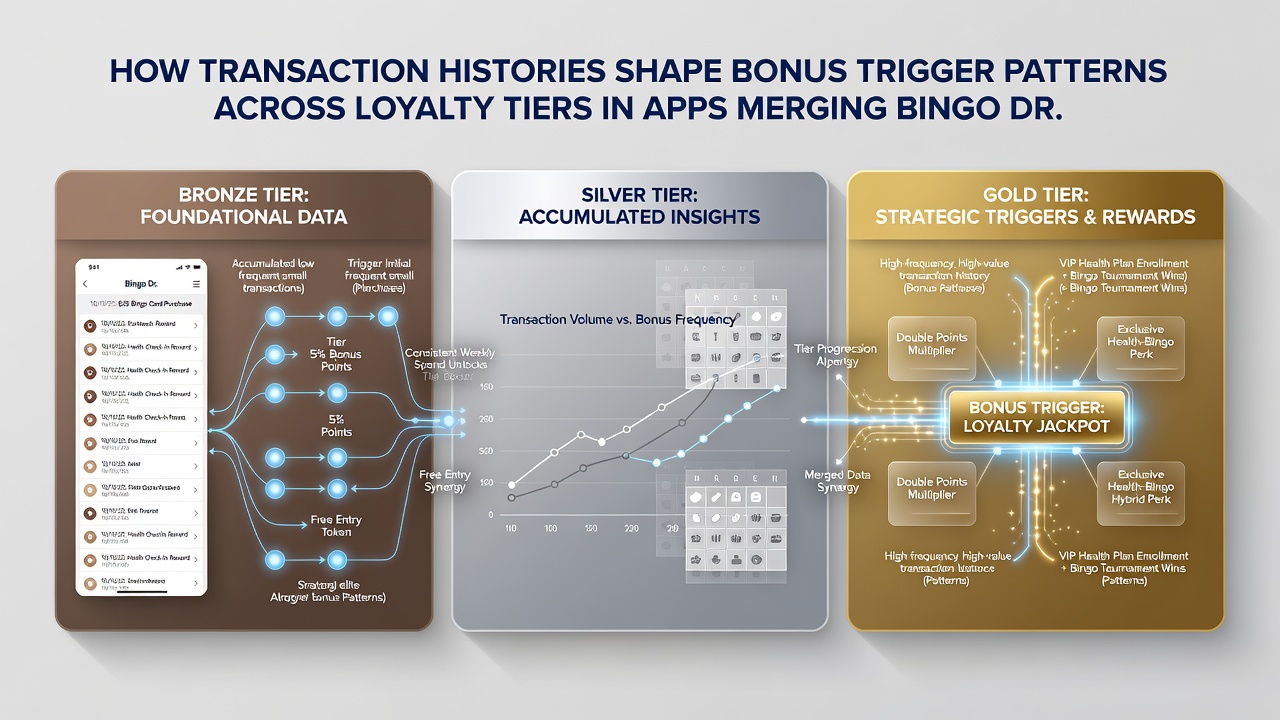
European data protection rules further constrain the depth of transaction analysis permitted in these apps, compelling developers to anonymize certain fields before feeding them into bonus trigger models. This regulatory layering produces variations in how aggressively loyalty tiers respond to historical payment data, with some regions favoring slower progression rates that emphasize long-term engagement over rapid tier advancement.
Technical Implementation in Mobile Ecosystems
Backend architectures store transaction sequences in relational databases that interface with real-time game engines, so each bingo draw consults the player's current loyalty score before determining whether to initiate a slot sequence bonus. Developers integrate machine learning components that refine these connections by analyzing millions of anonymized sessions, allowing the system to identify emerging patterns such as weekend deposit clusters correlating with elevated trigger frequencies during evening play windows.
Device-level sensors contribute additional context, including session duration and network stability, which algorithms cross-reference against transaction histories to fine-tune when hybrid features activate. Players who shift between multiple devices often see their accumulated histories synchronized through cloud profiles, preserving continuity in how bonuses trigger regardless of access point.
Conclusion
Transaction histories serve as foundational inputs that determine the timing and frequency of bonus activations across loyalty tiers in these hybrid mobile applications, and the resulting patterns reflect both algorithmic design choices and regional compliance requirements. Continued monitoring of these interactions through August 2026 and beyond provides operators with clearer insights into how payment behaviors shape engagement within combined bingo and slot environments.