How Compliance Updates Reshape Progressive Prize Mechanics in Cross-Device Chance Applications
Written by Mara Lange · Jul 31, 2026
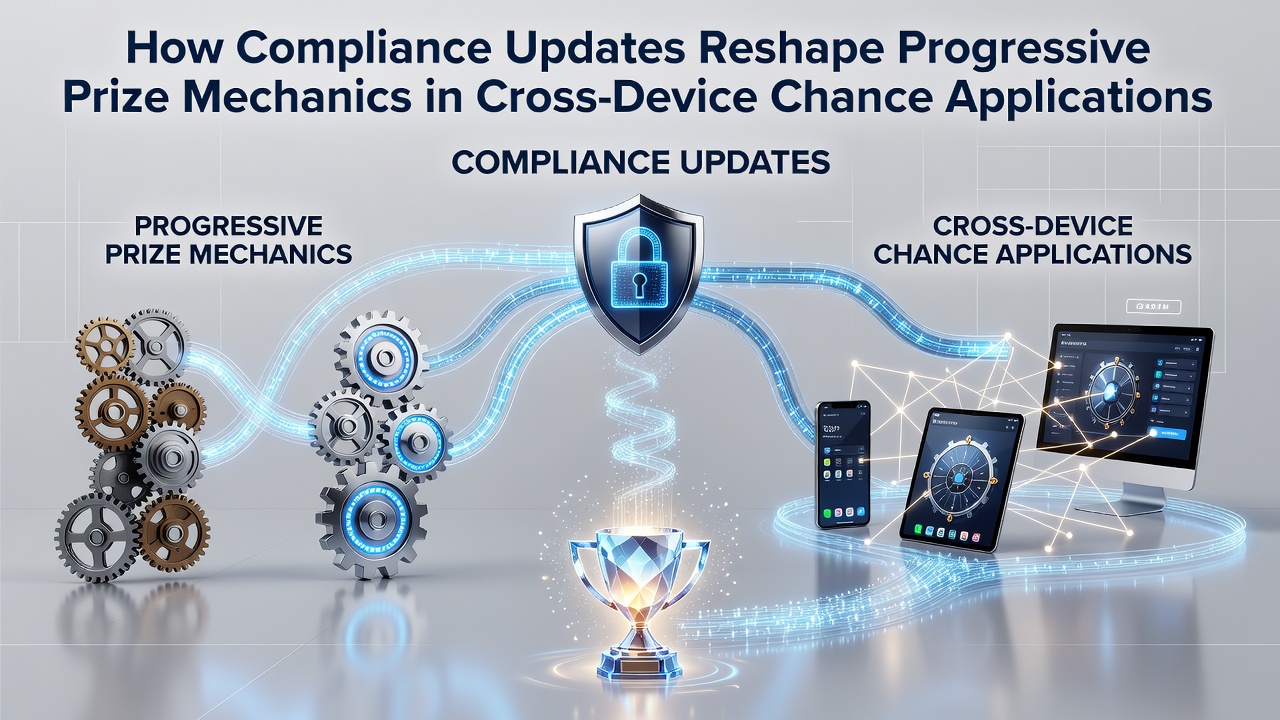
How Compliance Updates Reshape Progressive Prize Mechanics in Cross-Device Chance Applications
Regulatory shifts continue to influence how progressive prize pools operate within applications that blend chance-based mechanics across smartphones, tablets, and desktop environments, and developers must adjust accumulation formulas, eligibility rules, and payout structures to meet new standards that emerged in early 2026. These updates often require real-time verification of player locations and device types, which directly affects how contributions from each session feed into shared jackpots that span multiple jurisdictions.
Regulatory Drivers Behind Mechanical Adjustments
Agencies across North America and Europe introduced fresh requirements for transparency in prize accumulation during the first half of 2026, and these rules mandate separate tracking of funds generated within each licensed territory rather than allowing a single global pool. Data from the Nevada Gaming Control Board shows that operators updated their systems to isolate progressive contributions by state boundaries, which prevents cross-border commingling that previously triggered compliance reviews. Similar measures took effect in Australian states around the same period, forcing platforms to recalibrate contribution percentages so that each device session logs its input under the correct regulatory umbrella.
Device fingerprinting protocols gained prominence as well, because compliance teams now demand that every spin or draw records the hardware identifier alongside geolocation data. This change ensures progressive meters reflect only valid play, and it reduces the risk of inflated pools from unauthorized access points. Observers note that applications handling both draw-style and reel-based elements faced the steepest implementation curves, since their hybrid engines had to sync prize logic across operating systems without introducing latency that could violate fairness certifications.
Technical Adaptations in Prize Accumulation
Engineers responded by segmenting progressive meters into jurisdiction-specific ledgers that update simultaneously yet remain isolated, and this architecture allows seamless play when users switch devices mid-session while still satisfying audit trails. Research indicates that contribution rates now vary by device category in several markets, with mobile sessions sometimes capped at lower percentages to align with responsible gaming spending limits enforced on handheld platforms. Those who studied these implementations found that seed values for new prize cycles must receive pre-approval from multiple regulators when the application supports cross-device access, adding layers of review that extend development timelines.
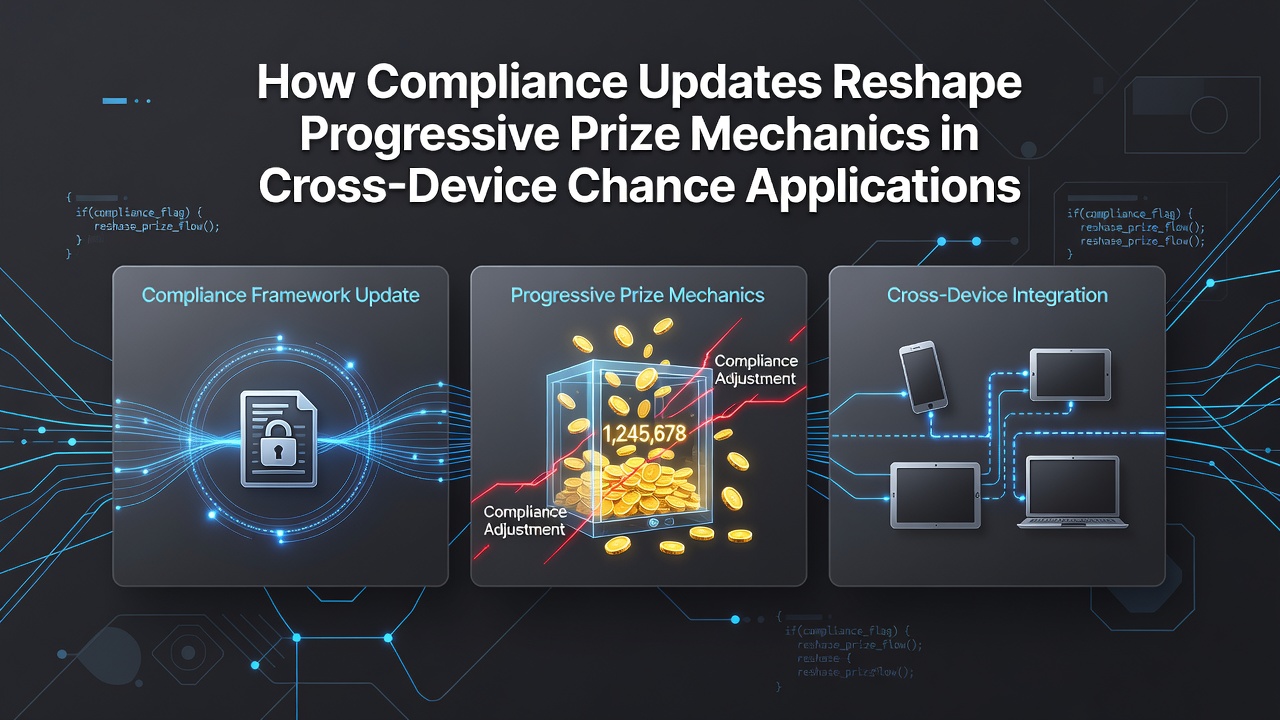
Random number generator certification processes also evolved, because each device type now requires independent testing even when the underlying algorithm remains identical. Figures reveal that certification bodies in Canada and several EU member states began demanding separate reports for mobile versus desktop RNG outputs in July 2026, which prompted providers to embed additional logging layers that feed directly into compliance dashboards. The result appears in altered trigger probabilities that account for the segmented pools, ensuring that large payouts remain mathematically feasible despite the reduced contribution base per region.
Impact on Player Eligibility and Payout Flows
Age verification and self-exclusion registries integrated more deeply into prize eligibility checks, and systems now query these databases before adding any session contribution to a progressive meter. One case where experts examined multi-state operators showed that players crossing exclusion boundaries mid-session triggered automatic holds on accumulated shares, which prevented disputes during payout calculations. Payment method restrictions further shaped mechanics, since certain deposit channels now carry flags that limit progressive participation in specific territories to meet anti-money laundering thresholds.
July 2026 brought additional reporting mandates in several jurisdictions, requiring operators to publish aggregated progressive payout statistics broken down by device category. These disclosures feed public dashboards that allow regulators to monitor whether mechanical changes maintain intended return-to-player ratios across the ecosystem. Applications that failed to adapt their backend logic encountered temporary suspension of progressive features until audits cleared the revised systems.
Conclusion
Compliance updates have prompted measurable restructuring of progressive prize mechanics in cross-device chance applications, with segmented pools, enhanced verification, and device-specific logging becoming standard practice. Data from regulatory sources including the Nevada Gaming Control Board and Australian state authorities demonstrate that these adjustments preserve operational integrity while satisfying jurisdictional requirements that took hold throughout 2026. Continued monitoring will determine how further refinements influence accumulation rates and payout distributions in the evolving landscape.