Examining Synergies Between Tiered Membership Structures and Interactive Feature Designs in Portable Gaming Ecosystems
Written by Eden Keller · May 17, 2026
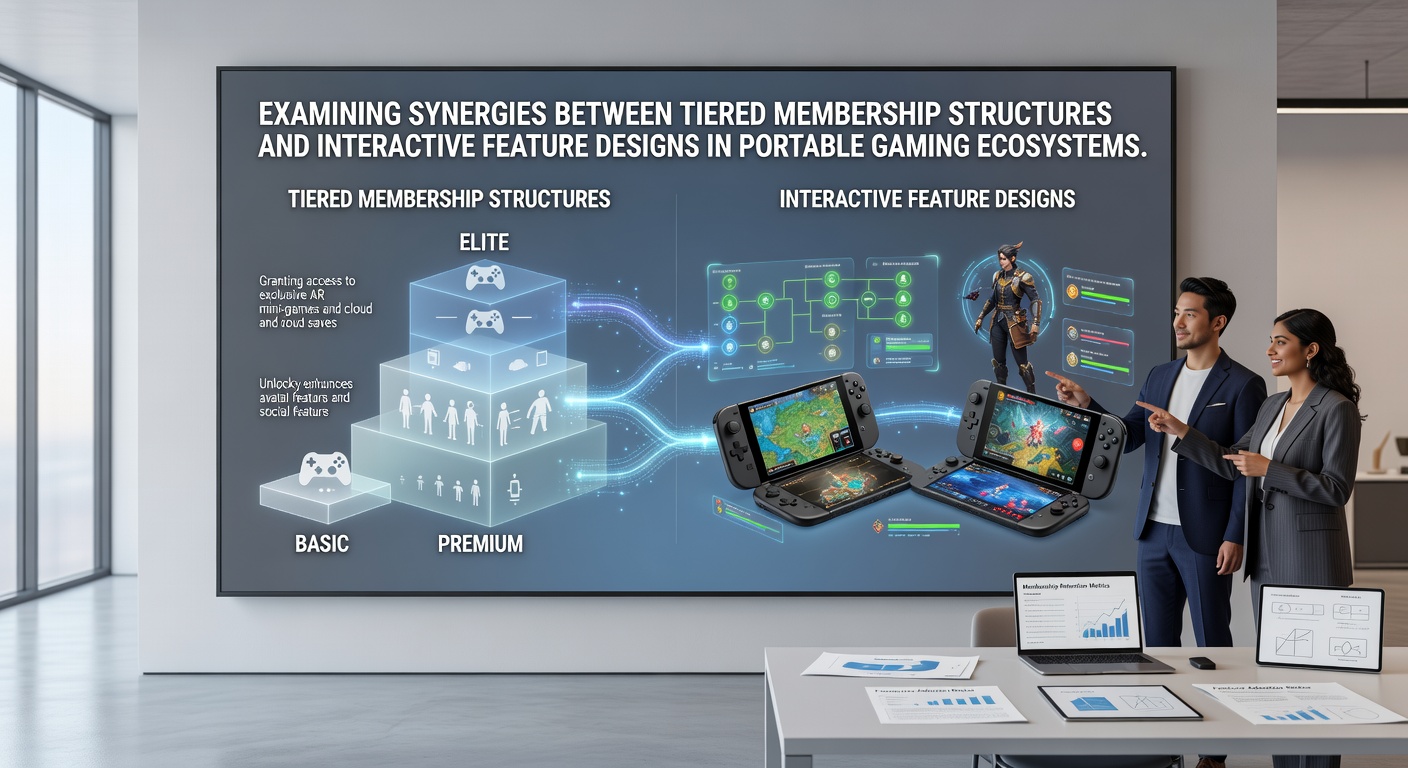
Examining Synergies Between Tiered Membership Structures and Interactive Feature Designs in Portable Gaming Ecosystems
Portable gaming ecosystems have expanded rapidly since the widespread adoption of smartphones and tablets, and tiered membership structures now operate alongside interactive feature designs to shape player engagement across global markets. Data from industry reports shows that developers integrate these elements to create layered experiences where membership progression unlocks enhanced interactions, and analysts note steady growth in user retention metrics when such combinations appear in titles across iOS and Android platforms.
Core Elements of Tiered Membership Structures
Tiered systems typically divide users into progressive levels based on activity metrics such as playtime, in-app purchases, and social interactions, while each tier grants access to distinct benefits that scale with commitment. Researchers from academic institutions tracking digital entertainment patterns have documented how entry-level tiers provide basic customization options, whereas higher tiers introduce exclusive content and priority access to events. These structures draw from established loyalty frameworks in other consumer sectors yet adapt specifically to the real-time feedback loops common in portable environments.
According to findings published by the Entertainment Software Association, membership tiers correlate with increased session durations when paired with clear progression indicators. Observers in the field point out that developers often embed these tiers within broader ecosystem designs, allowing seamless transitions between free-to-play mechanics and premium pathways without disrupting core gameplay loops.
Interactive Feature Designs in Mobile Contexts
Interactive features encompass dynamic elements like adaptive difficulty scaling, real-time multiplayer synchronization, and personalized quest generation that respond directly to individual player inputs. Studies conducted by research teams at institutions in North America reveal that these designs leverage device sensors and network capabilities to deliver context-aware experiences, such as location-based events or gesture-controlled mini-games. The result is a fluid environment where user decisions immediately influence visual and narrative outcomes.
Portable platforms facilitate rapid iteration of these features because updates deploy directly through app stores, and developers monitor engagement data to refine mechanics in subsequent patches. Figures from regulatory bodies in regions like Australia indicate rising investment in interactive tools that support cross-device continuity, ensuring progress carries over between phones and tablets during extended play sessions.
How Membership Tiers and Interactive Features Align
Synergies emerge when tier advancement directly influences the depth and variety of interactive options available. For instance, higher membership levels may activate advanced analytics overlays that help players optimize strategies during live challenges, while lower tiers maintain streamlined interfaces to avoid overwhelming newcomers. Data compiled by the Interactive Games and Entertainment Association shows these alignments boost completion rates for cooperative events, particularly in games that emphasize community-driven objectives.
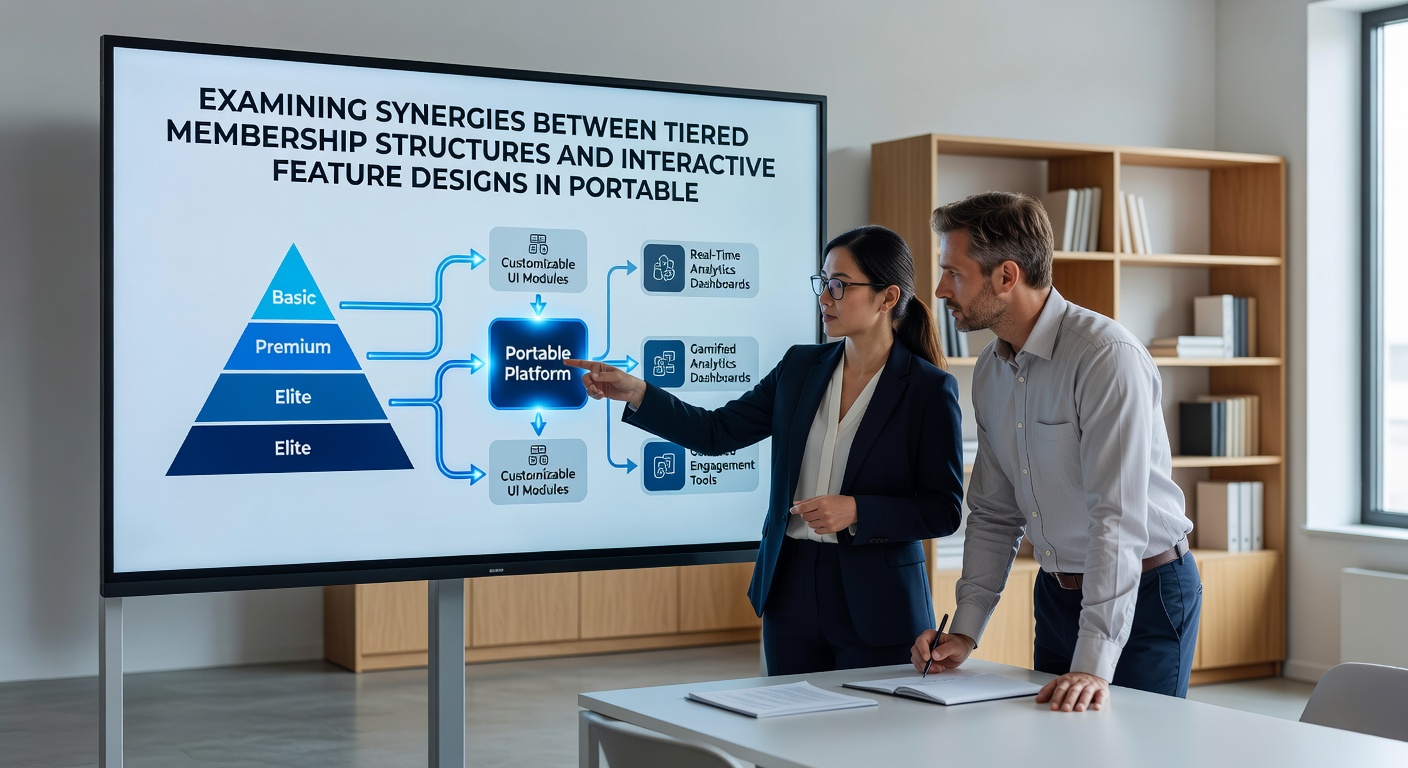
Designers achieve this integration through modular code frameworks that scale feature complexity according to membership status. One documented approach involves conditional asset loading, where premium interactive modules activate only after tier thresholds are met, thereby managing device resource demands while rewarding sustained participation. As of May 2026, platform analytics from major ecosystems highlight measurable upticks in daily active users following the rollout of such synchronized systems in popular strategy and simulation titles.
Regional Variations and Implementation Patterns
Implementation differs by market due to varying regulatory landscapes and consumer expectations. In European markets, developers emphasize transparent communication about tier benefits to align with consumer protection standards, whereas North American studios often prioritize rapid feature experimentation tied to membership incentives. Canadian regulatory reports on digital entertainment note similar patterns, with emphasis on data privacy controls that govern how interactive tracking informs tier progression algorithms.
Academic papers examining portable gaming in Asia-Pacific regions further illustrate how localized interactive elements, such as culturally themed events, combine with tiered rewards to sustain long-term interest. These combinations appear most effective when progression visuals update in real time, providing immediate feedback that reinforces the value of advancing through membership layers.
Performance Metrics and Ecosystem Impacts
Quantitative assessments from multiple sources demonstrate that integrated tier and feature systems contribute to higher lifetime value per user compared to standalone implementations. Metrics tracked by platform operators reveal correlations between tier completion and frequency of interactive session participation, suggesting a reinforcing cycle where one element drives engagement with the other. Industry observers have tracked these patterns across genres ranging from puzzle adventures to competitive battle arenas.
What's interesting is how device hardware advancements support these synergies, with improved processors and displays enabling richer interactive layers that scale appropriately for each membership tier. Reports from university-led research initiatives confirm that optimized resource allocation prevents performance bottlenecks, allowing even entry-level users to experience core interactions while higher tiers access more demanding content.
Conclusion
The interplay between tiered membership structures and interactive feature designs continues to define portable gaming ecosystems through structured progression and responsive mechanics. Evidence from regulatory filings and academic analyses indicates these elements work together to support sustained user activity across diverse device types and geographic areas. Developers who maintain balanced implementations of both components position their titles for broader reach within competitive app marketplaces, as ongoing data collection refines future iterations in this evolving space.