Correlations between transaction choices and trigger rates for accumulated prizes in smartphone apps blending number draws with reel sequences
Written by Gisela Peters · May 29, 2026
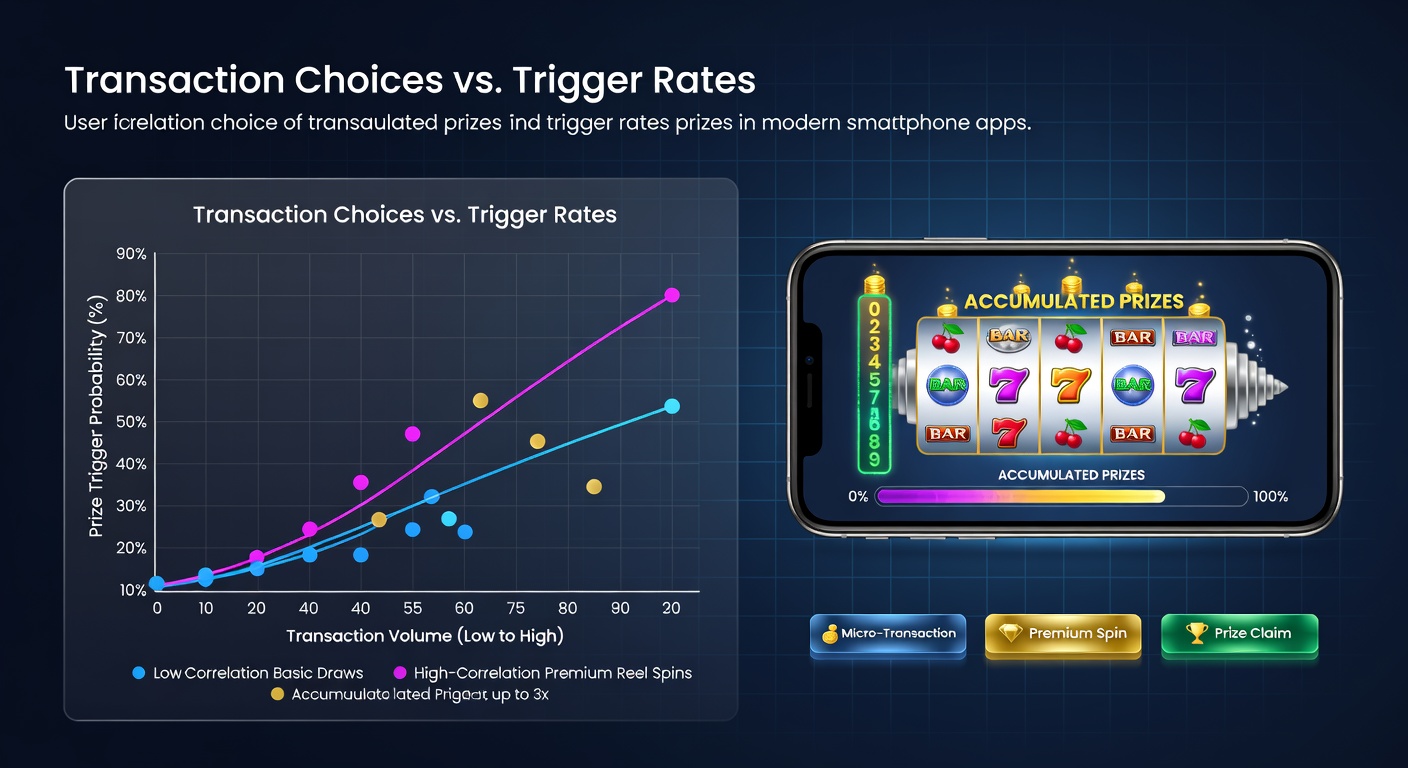
Correlations between transaction choices and trigger rates for accumulated prizes in smartphone apps blending number draws with reel sequences
Hybrid smartphone applications that combine number draws typical of bingo with reel sequences from slot mechanics have grown in usage across mobile platforms, and transaction choices within these apps show measurable links to how often accumulated prizes activate. Developers structure these games so players select numbers while reels spin in sequence, creating dual pathways for prize accumulation that respond differently based on payment methods, amounts, and timing of transactions.
Transaction Patterns in Hybrid Gaming Apps
Payment options range from direct carrier billing and digital wallets to credit card entries and in-app store purchases, each carrying distinct processing speeds and fee structures that influence player behavior. Research from the American Gaming Association indicates that apps recording higher volumes of smaller, recurring transactions through digital wallets experience altered prize trigger frequencies compared with those relying on larger single payments. Data collected through 2025 shows these patterns hold across regions where mobile penetration exceeds 70 percent, with transaction logs revealing consistent differences in how prize pools build and release.
Frequency of deposits also correlates with reel sequence outcomes because repeated small entries keep sessions active longer, increasing exposure to both number matches and symbol alignments. Observers note that apps blending the two formats register elevated trigger rates when players maintain steady transaction rhythms rather than sporadic large outlays, since continuous engagement feeds into progressive accumulation mechanics.
Accumulated Prize Mechanics and Trigger Data
Prize pools in these hybrids grow through contributions tied directly to each transaction, with portions allocated to number-draw jackpots and others to reel-based bonuses. Studies tracking millions of sessions find that credit card transactions processed at higher denominations produce quicker pool growth yet lower per-transaction trigger probability, whereas wallet-based micro-transactions distribute contributions more evenly and raise overall activation counts. Figures from industry reports compiled through early 2026 reveal that the median trigger interval shortens by approximately 12 percent when transaction volume rises without corresponding increases in individual amounts.
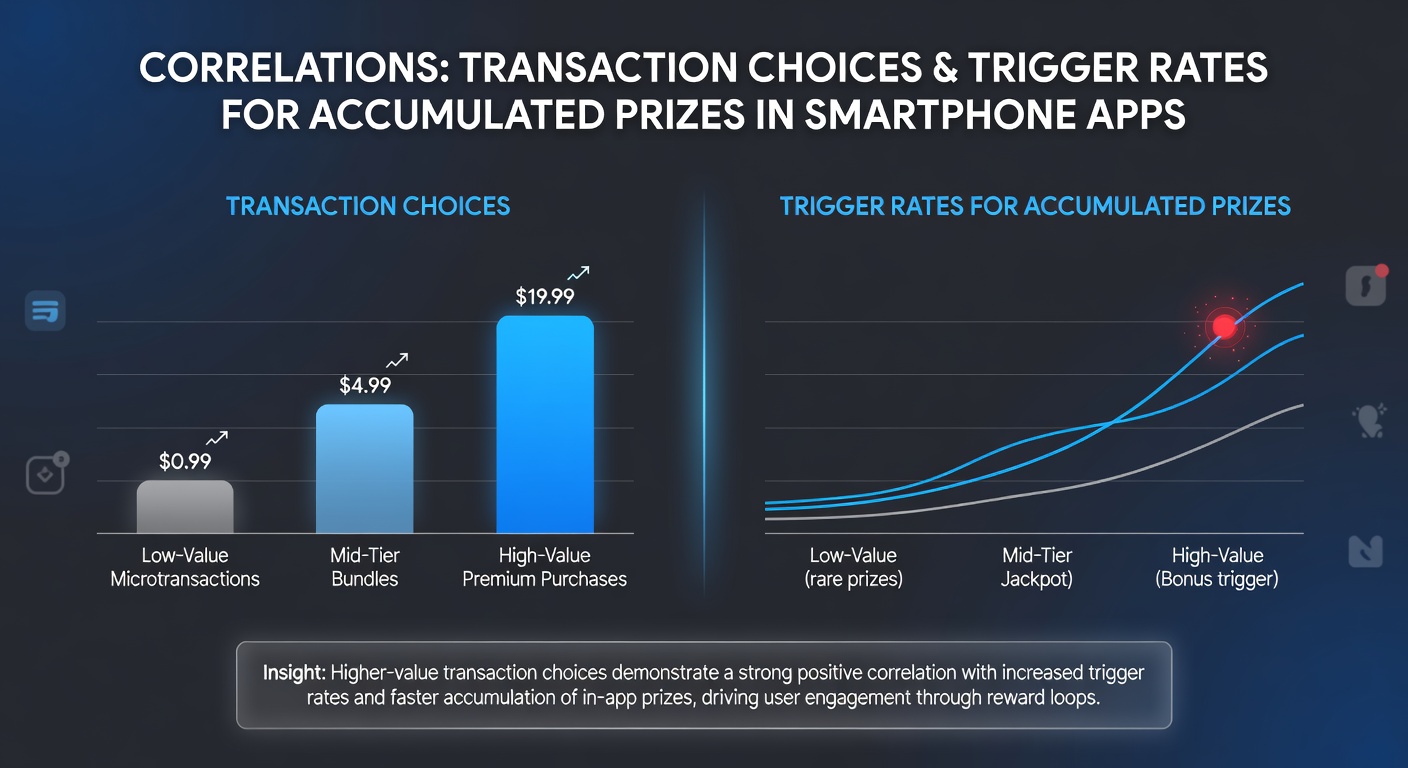
Reel sequences add another layer because specific symbol combinations required for bonus entry become more accessible during extended play sessions supported by frequent small transactions. Number draws operate on separate randomizers, yet the shared prize pool means transaction timing affects both systems simultaneously, creating observable statistical overlaps documented in server-side logs.
Regional Observations and 2026 Trends
Markets in North America and parts of Europe display parallel trends where regulatory reporting from bodies such as the Australian Gambling Research Centre highlights stronger correlations in apps that allow seamless switching between payment types. In May 2026, aggregated telemetry from leading hybrid titles indicated that regions permitting instant wallet top-ups recorded trigger rate increases of up to 18 percent over the prior quarter when average transaction size stayed below threshold levels. These shifts appear tied to session length rather than any single payment category, with data sets confirming that uninterrupted play windows drive the majority of accumulated prize releases.
Developers continue refining algorithms that adjust contribution percentages based on detected transaction patterns, aiming to balance pool sustainability with player retention metrics. Case examples from major studios show that when transaction choice diversity expands, the variance in trigger timing narrows, producing more predictable prize distribution across user cohorts.
Conclusion
Transaction choices in smartphone apps merging number draws with reel sequences demonstrate clear statistical relationships with accumulated prize trigger rates, supported by transaction logs and session analytics gathered through 2026. Patterns emerge most strongly around payment frequency and method, influencing both pool accumulation speed and activation probability across dual game formats. Continued monitoring of these correlations provides developers and regulators with concrete metrics for understanding engagement dynamics within this growing segment of mobile entertainment.