Certification Protocols Guiding the Development of Outcome Fairness in Digital Platforms Merging Traditional Number Games with Modern Reel-Based Mechanics
Written by Mara Lange · Aug 21, 2026
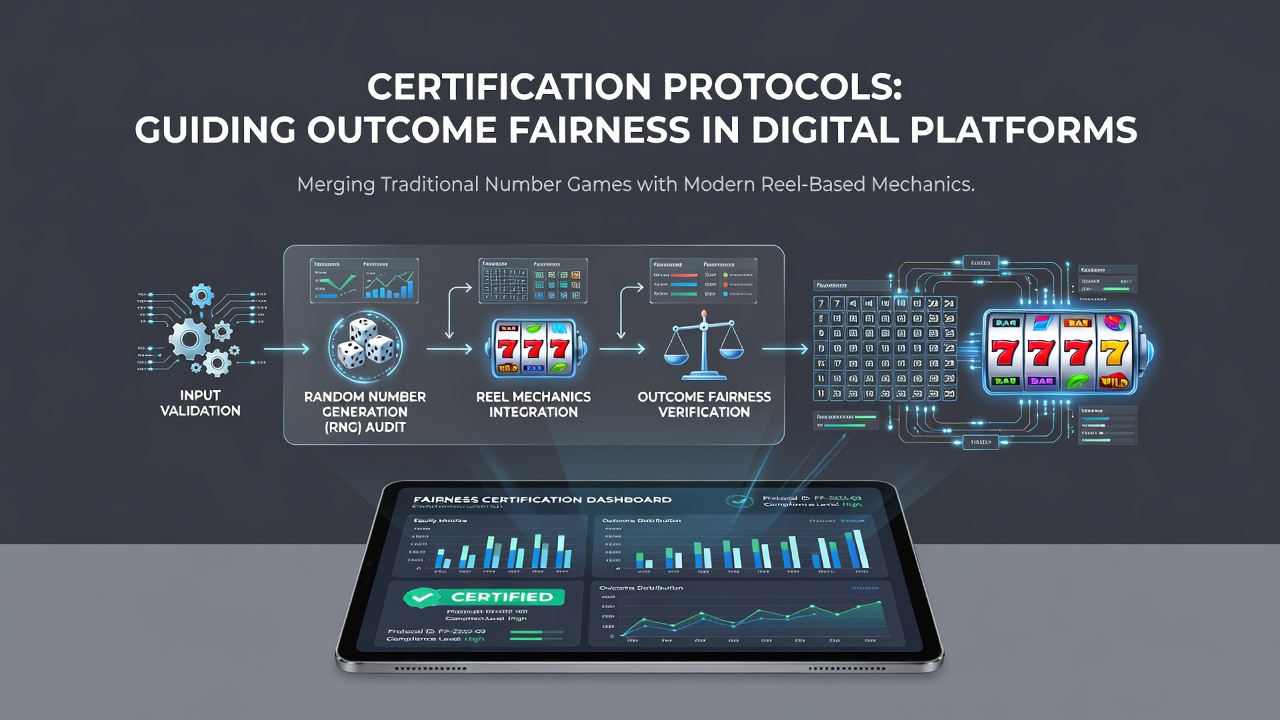
Certification Protocols Guiding the Development of Outcome Fairness in Digital Platforms Merging Traditional Number Games with Modern Reel-Based Mechanics
Certification protocols for outcome fairness have become central to platforms that blend traditional number draw systems with reel based mechanics, creating hybrid experiences that require rigorous verification of random outcomes across both components. Data from testing laboratories shows these protocols address the integration of bingo style number selections and slot style reel spins, ensuring each element meets independent standards for unpredictability and equity without favoring any participant group.
Core Elements of Fairness Certification in Hybrid Systems
Testing procedures focus on random number generators that power both number draws and reel sequences, with labs applying statistical analysis to confirm uniform distribution over millions of simulated cycles. Researchers at institutions like the University of Nevada Reno Gaming Research Center have documented how hybrid platforms undergo separate evaluations for draw algorithms and reel mapping before combined operation receives approval. These evaluations examine trigger rates for prize accumulation and feature activation to verify that mechanics operate independently of player history or deposit patterns.
August 2026 brought updated guidance from multiple jurisdictions that now requires explicit documentation of how number game elements interface with reel features during live play. Observers note this shift stems from increased deployment of cross device applications where players transition between draw selections and spinning sequences within single sessions.
Regulatory Bodies and Laboratory Standards
Independent testing organizations such as Gaming Laboratories International and BMM Testlabs conduct the bulk of certification work for these platforms, applying frameworks that cover both US state requirements and international benchmarks. According to reports from the Nevada Gaming Control Board, hybrid titles must demonstrate compliance with technical standards before market entry, including seed generation security and outcome logging that regulators can audit on demand.
European and Australian authorities have aligned some aspects of their review processes with these same laboratory outputs, though regional licensing variations still influence exact feature availability. Studies indicate that platforms passing multi jurisdiction certification experience fewer compliance adjustments post launch compared to those reviewed under single authority systems.

Integration Challenges and Protocol Adaptations
Merging number draw mechanics with reel sequences introduces specific verification hurdles around simultaneous random processes and shared prize pools. Certification teams examine whether reel outcomes remain statistically independent from preceding number selections, using chi square and other distribution tests to identify any unintended correlations. Those who've studied this know that even minor code overlaps between the two systems can trigger re evaluation requirements during the approval phase.
Protocols also cover player interface elements, confirming that displayed probabilities for both draw and reel components match actual backend calculations. Industry reports from organizations like the International Association of Gaming Regulators highlight how certification now includes review of mobile specific rendering to prevent visual discrepancies that might affect perceived fairness across devices.
Documentation and Ongoing Monitoring Requirements
Approved platforms must maintain detailed records of all random events, with certification bodies specifying retention periods and access protocols for regulatory review. Data shows that continuous monitoring programs, often involving automated reporting to oversight agencies, have replaced one time approvals in several markets. This approach allows detection of drift in outcome distributions over extended operation periods.
Case examples from North American operators reveal that recertification cycles typically occur annually or after significant software updates, with hybrid titles facing additional scrutiny due to their combined mechanics. External audits supplement internal logs, providing third party confirmation that fairness parameters remain within established tolerances.
Conclusion
Certification protocols continue to evolve alongside hybrid gaming platforms, incorporating new testing methodologies as number draw and reel technologies advance. Regional authorities and independent laboratories work in tandem to maintain consistent fairness benchmarks, with documentation and monitoring forming the backbone of sustained compliance. These structured processes support the development of digital systems that integrate traditional and modern chance elements while meeting verifiable standards for equitable outcomes.