Artificial Intelligence Applications Shaping Personalized Incentives Across Number Draw and Reel Spin Platforms
Written by Amir Richter · Aug 14, 2026
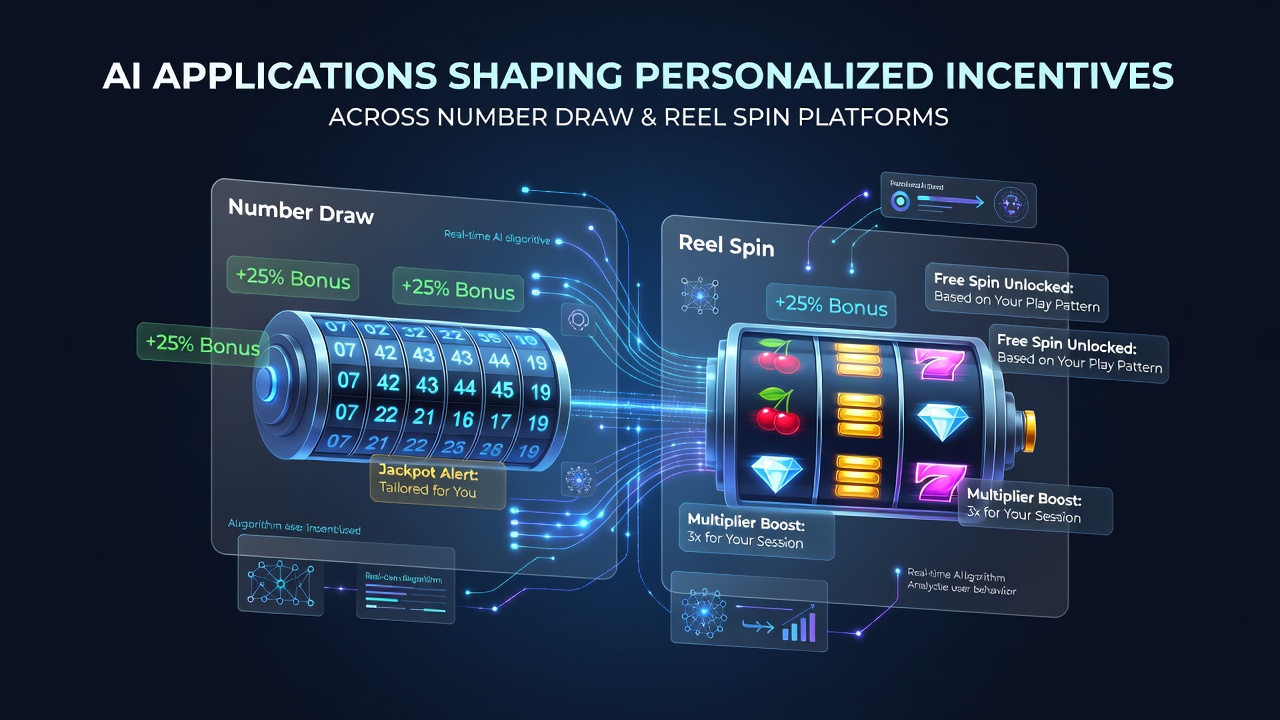
Artificial Intelligence Applications Shaping Personalized Incentives Across Number Draw and Reel Spin Platforms
Platforms that blend number draws with reel spin mechanics rely on artificial intelligence to process large volumes of transaction and engagement data, which in turn supports the creation of targeted incentive structures for individual users. These systems track sequences of draws, spin frequencies, and deposit patterns across mobile applications, then apply algorithms that adjust reward offers in real time. Data from multiple operators shows that such personalization occurs through clustering techniques that group participants by similar activity profiles, allowing platforms to allocate free spins or bonus draws based on predicted next actions rather than uniform promotions.
Machine Learning Models Driving Incentive Allocation
Supervised learning models trained on historical play records identify correlations between specific behaviors and retention metrics, while reinforcement learning agents test variations of incentive timing to maximize session length. Researchers at several gaming technology firms have documented how these models process inputs such as average bet sizes during reel sequences and participation rates in scheduled number draws. The output feeds into decision engines that determine whether a user receives an immediate reel bonus or an accumulated draw multiplier, and the process repeats with each new data point collected. In August 2026 several North American operators reported updates to their backend systems that incorporated additional neural network layers designed to handle cross-device continuity, ensuring incentives remain consistent whether a participant switches between smartphone and tablet interfaces mid-session.
Segmentation Techniques and Behavioral Prediction
Clustering algorithms divide user bases into segments that reflect both short-term reel engagement and longer-term draw participation patterns. One segment might show frequent low-stake spins paired with occasional high-value number draws, prompting the system to offer tiered incentives that combine extra spins with discounted draw entries. Predictive models estimate the likelihood of churn within defined time windows, triggering personalized offers before activity declines. Observers note that platforms integrate these outputs with regulatory compliance checks to maintain limits on promotional volume per account, and figures from industry reports indicate measurable shifts in average session duration following the introduction of such targeted mechanics.
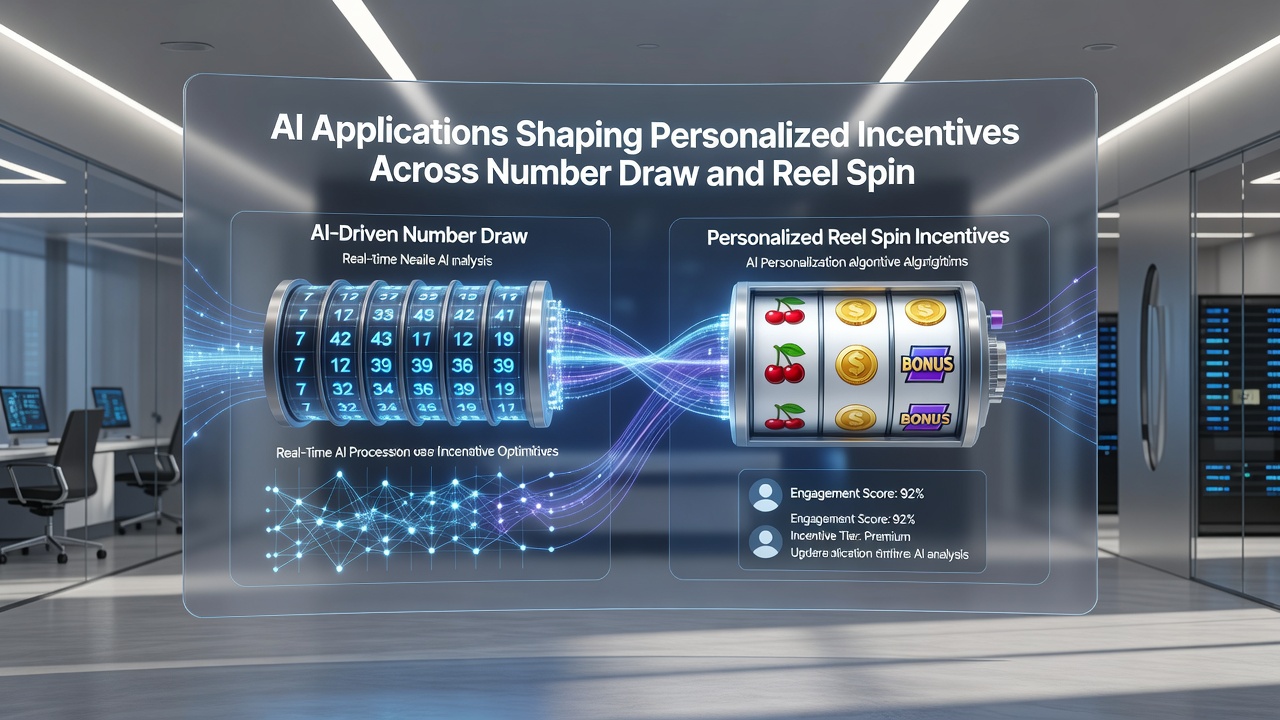
Integration with Transaction and Loyalty Systems
Artificial intelligence connects directly to payment gateways and loyalty ledgers so that deposit method preferences influence the type of incentive delivered. A participant who consistently uses certain digital wallets may receive offers weighted toward reel spin multipliers, whereas those favoring bank transfers see adjustments favoring number draw entries. These linkages rely on feature engineering that extracts variables such as time between deposit and first spin or the ratio of draw tickets purchased to total spins completed. According to data compiled by the American Gaming Association, operators employing these integrated models recorded higher rates of repeat deposits within defined observation periods compared with control groups using static reward schedules. The same systems also feed into tiered membership calculations, automatically advancing users when cumulative activity meets algorithmically determined thresholds.
Regulatory Context and Data Governance
Jurisdictions overseeing combined draw and reel platforms require transparency around how automated systems generate offers, and several state regulators have requested documentation on model fairness and bias mitigation. The Alcohol and Gaming Commission of Ontario has examined similar frameworks in its market, focusing on audit trails that log every incentive decision back to specific input features. Platforms respond by maintaining version-controlled model repositories and conducting periodic fairness assessments that compare outcomes across demographic slices. These requirements shape how developers structure training datasets and validation procedures, ensuring compliance while still enabling granular personalization.
Emerging Developments Observed in Mid-2026
By August 2026 multiple suppliers had introduced reinforcement learning modules capable of simulating entire incentive campaigns before deployment, allowing operators to forecast impacts on prize pool distributions and player balance fluctuations. Early adopters reported that these simulation layers reduced the frequency of manual overrides previously needed when static rules produced unintended clustering of high-value rewards. Parallel work at academic research centers has explored graph neural networks that map social connections between players in shared draw pools, potentially extending personalization to group-based incentives while respecting privacy boundaries.
Conclusion
Artificial intelligence continues to refine the mechanisms through which number draw and reel spin platforms deliver individualized incentives, with ongoing model refinements driven by accumulating behavioral datasets and regulatory oversight. The combination of predictive segmentation, real-time adjustment, and cross-system integration produces incentive structures that adapt to observed patterns without requiring constant human intervention. As additional jurisdictions adopt reporting standards similar to those already in place in North American markets, the documentation and validation processes surrounding these AI applications are expected to expand accordingly.